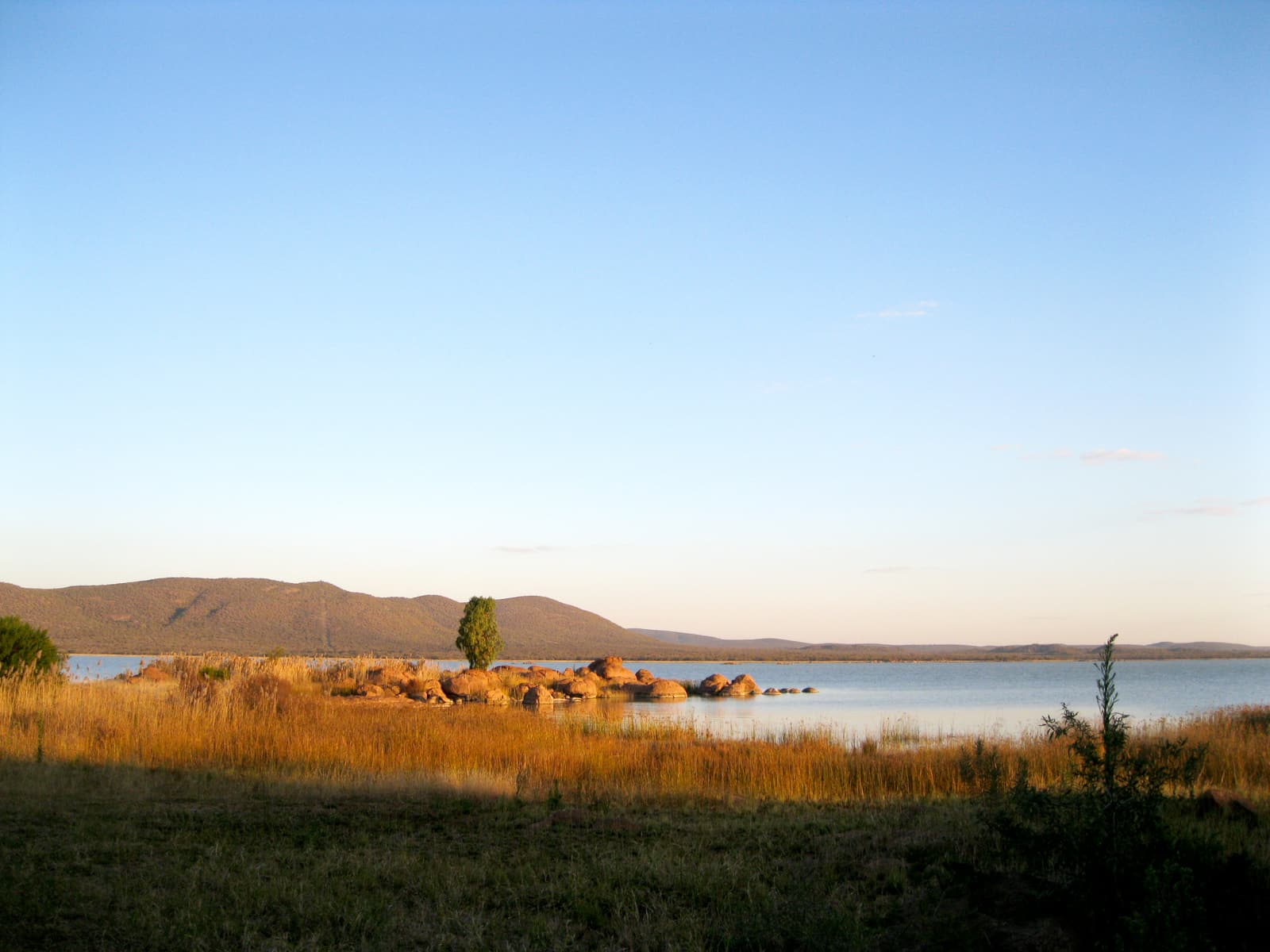
Gaborone has a semi-arid climate with two clear seasons: a hot summer from October to March, when almost all the year’s rain falls in dramatic afternoon thunderstorms, and a dry, cloudless winter from May to August, with warm days and cold nights. You can visit in any month — but some are much more comfortable than others.
The short answer: come in April–May or August–September. Days are warm and sunny, nights are mild, the bush is either still green or pleasantly open, and it is neither sweltering nor frosty. These months also line up well with the best safari season in the north.
Month by month
| Months | Typical weather | What it is like |
|---|---|---|
| January – February | Hot, 30–33 °C by day; frequent thunderstorms | Green and humid. Good birding; some reserve tracks muddy |
| March – April | Cooling, 26–30 °C; rain tails off | Lush landscapes, clear air after storms. A lovely time |
| May | Dry and sunny, around 25 °C; cool nights | One of the best months for everything |
| June – July | Sunny, 21–23 °C; nights 2–5 °C, occasional frost | Cold mornings on game drives, ideal for hiking Kgale Hill |
| August – September | Warming fast, 25–30 °C; dry and often windy | Thin bush makes wildlife easy to see. Dusty |
| October – November | The hottest time, 32–36 °C; first storms | Sightsee early and late; midday is fierce |
| December | Hot, around 32 °C; regular rain | The city empties for the holidays; many businesses close |
Figures are long-term averages and only a guide. Rainfall is low — in the region of 450–550 mm a year — and very unreliable; drought years are common, which is why “pula”, rain, is both the currency and a blessing.
Best time for wildlife near Gaborone
At Mokolodi and the Gaborone Game Reserve, animals are easiest to see in the dry months from June to October, when the grass is short and they gather at water. Summer brings newborn antelope, migrant birds and green scenery, but thicker vegetation. In any season, go early in the morning or late in the afternoon.
Best time for hiking and the villages
Kgale Hill and the rock-art sites are most enjoyable from April to September. In summer, start at dawn. The gravel tracks to Matsieng and some village sites can be slippery after heavy rain.
If you are continuing north
The Okavango Delta and Chobe are at their best in the dry season, roughly May to October, with the delta’s flood usually peaking from June to August. That is also when prices there are highest. See the Okavango and Chobe guide.
Events and holidays
- Maitisong Festival (usually March–April): the city’s main performing-arts festival, with theatre, music and dance.
- Gaborone Marathon (usually April or May): road races through the city.
- Letlhafula (around May): a harvest celebration of traditional food and music, often hosted at Botswanacraft.
- President’s Day holiday (July): a long weekend with cultural competitions and performances.
- Gaborone International Music & Culture Week (usually late August–early September): concerts, comedy and food.
- Independence Day (30 September): official ceremonies, flags everywhere and a general holiday mood.
Dates move from year to year; check locally before planning around an event.