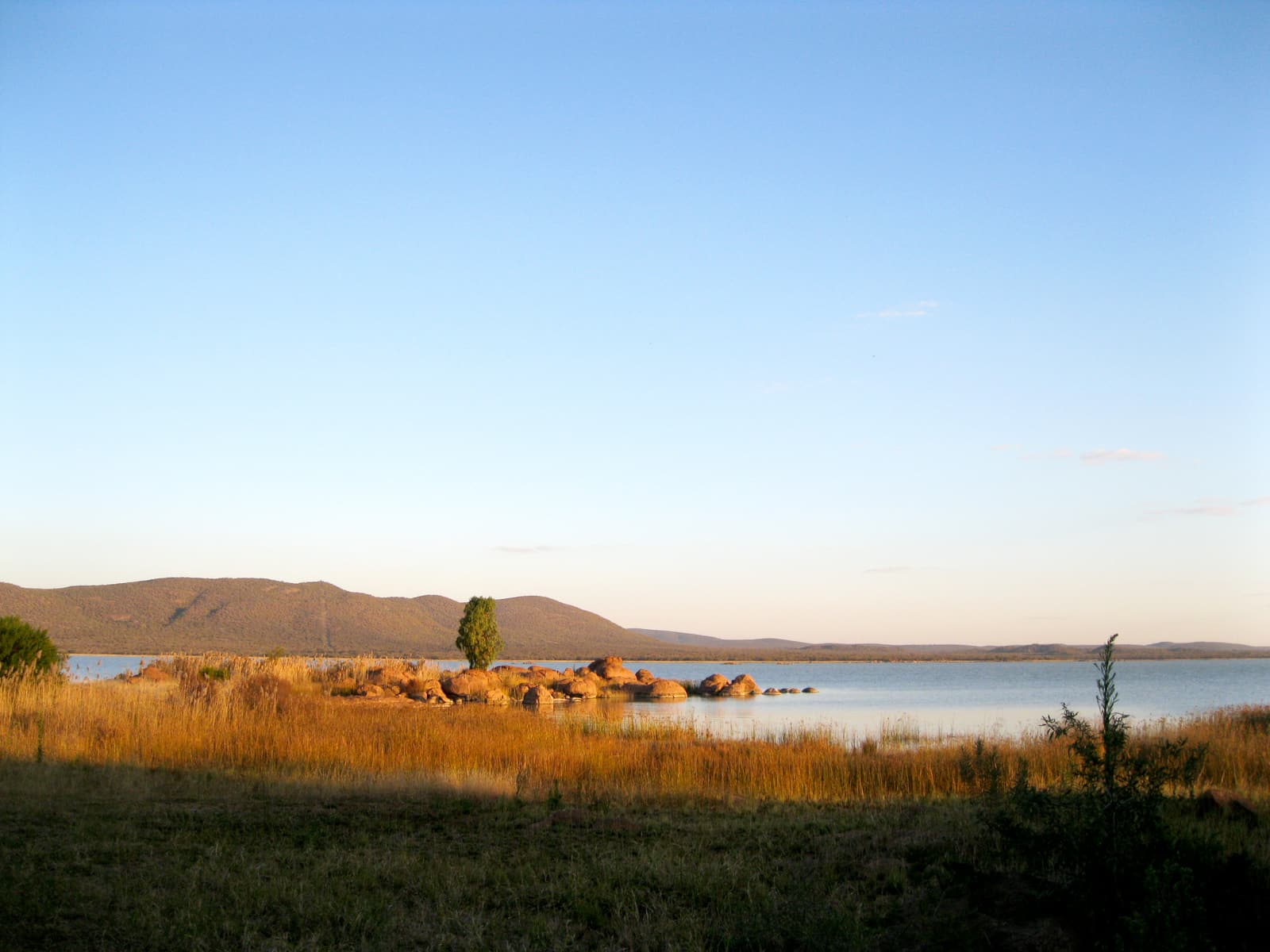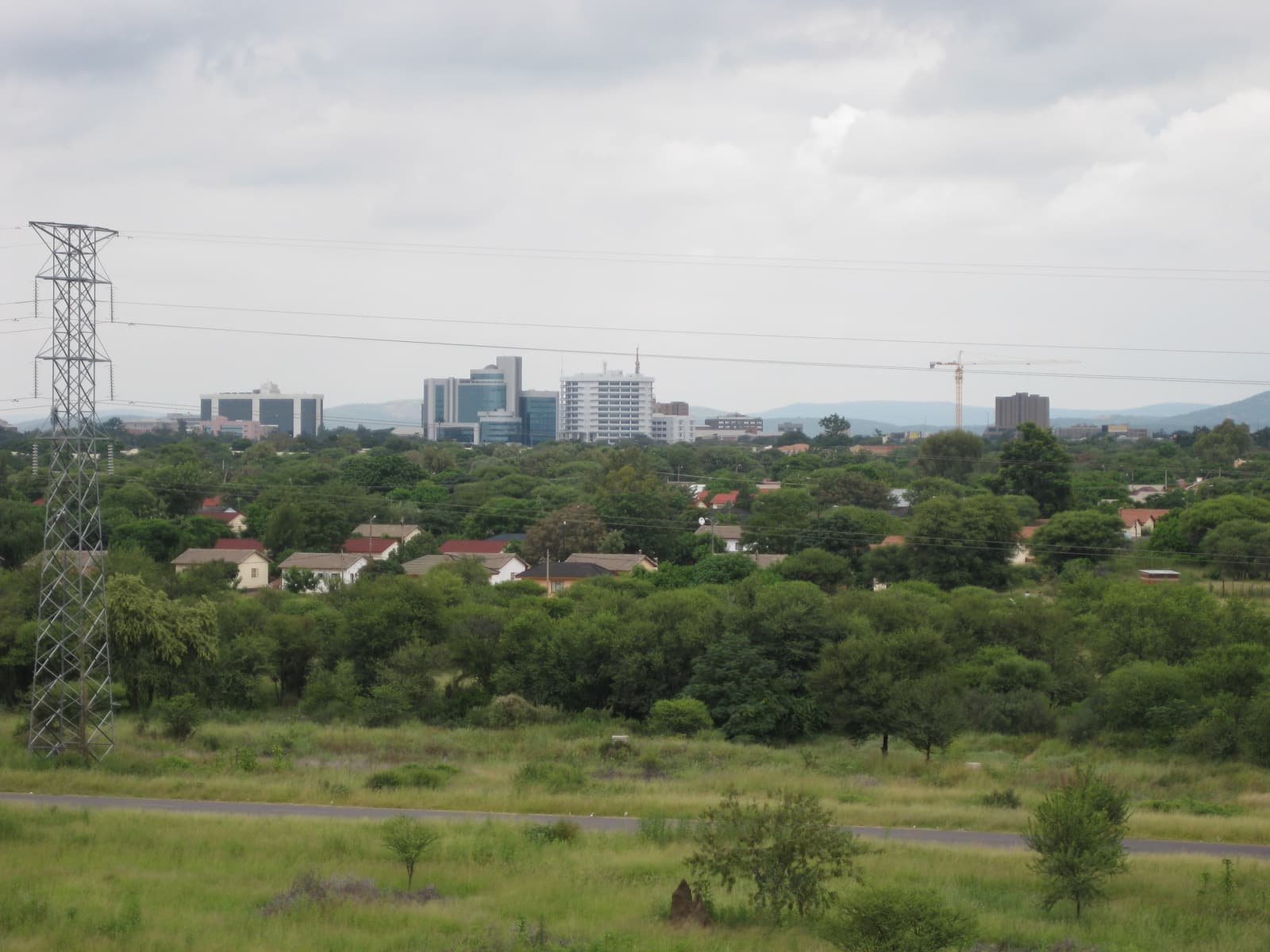
Gaborone — “Gabs” or “GC” to the people who live here — is one of Africa’s youngest and most relaxed capitals. It has no colonial old town and no famous skyline. What it has is space, order, friendly people, wildlife on its fringes and the best possible introduction to one of the continent’s most successful countries.
A very short history
For most of the colonial period the Bechuanaland Protectorate was administered from Mafikeng, a town outside its own borders in South Africa. When independence approached in the early 1960s, a new capital was needed. The site chosen was a small settlement and railway siding near the Notwane River called Gaberones, after Kgosi Gaborone of the Batlokwa, whose village of Tlokweng lies next door. It had water — a dam could be built — it was on the railway, and it was not the capital of any one of the main Tswana groups.
Building began in 1964; the dam, Parliament, Main Mall and the first houses were ready in time for independence on 30 September 1966. The planners expected a town of 20,000. Then, in 1967, diamonds were found at Orapa. Botswana went from being one of the poorest countries in the world to a middle-income one within a generation, and its capital — renamed Gaborone in 1969 — has been growing ever since. Today it is home to around a quarter of a million people, with as many again in the surrounding villages.
What to see
The essential sights are covered in detail in our things to see guides. In brief:
 In the city
 Mokolodi Nature Reserve
Rhino and giraffe fifteen minutes from the city
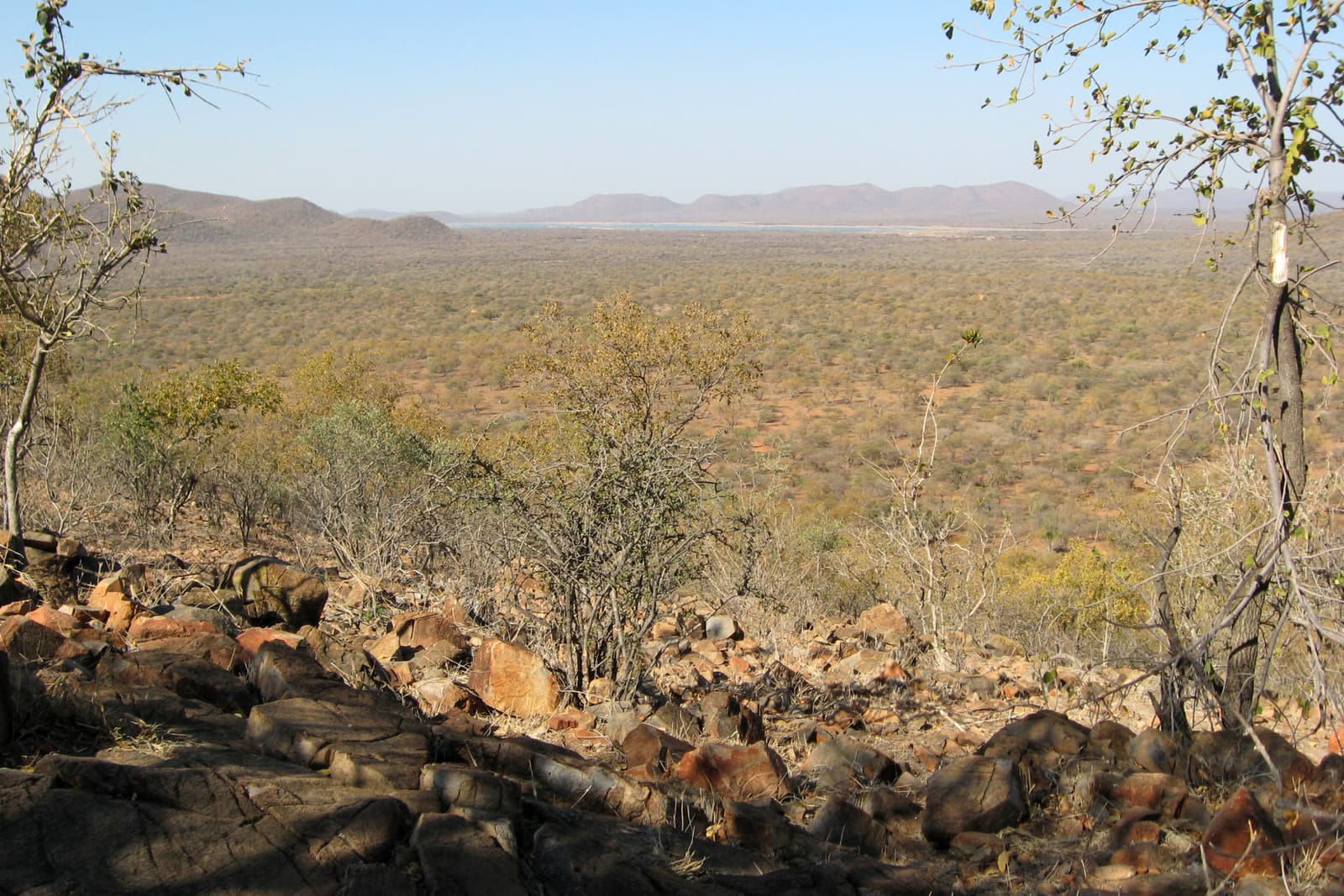
A non-profit private reserve in the rocky hills just south of Gaborone, founded in 1994. Game drives find giraffe, zebra, kudu, wildebeest and white rhino, and guided rhino and giraffe tracking on foot is the experience people remember. There is a restaurant, chalets and a campsite, so it also works as a night away from town.
 In the city
 Gaborone Game Reserve
A game drive inside the city limits
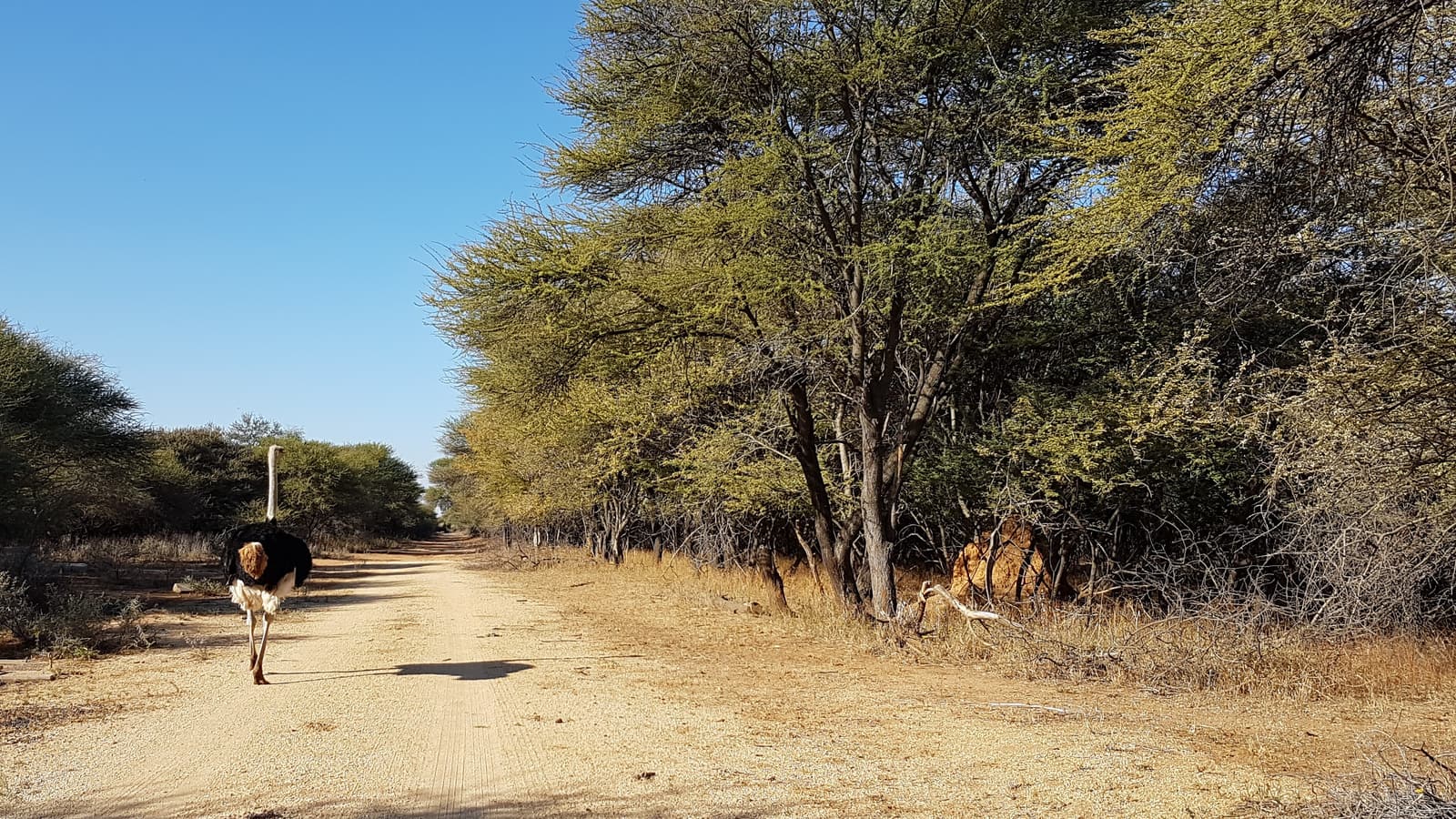
A small fenced reserve on the eastern edge of the city along the Notwane River, opened in 1988. You can drive its gravel loops in an ordinary car and expect zebra, eland, kudu, impala, wildebeest, warthog, ostrich and vervet monkeys, with bird hides and picnic sites. It is the cheapest and quickest wildlife fix in Botswana.
 In the city
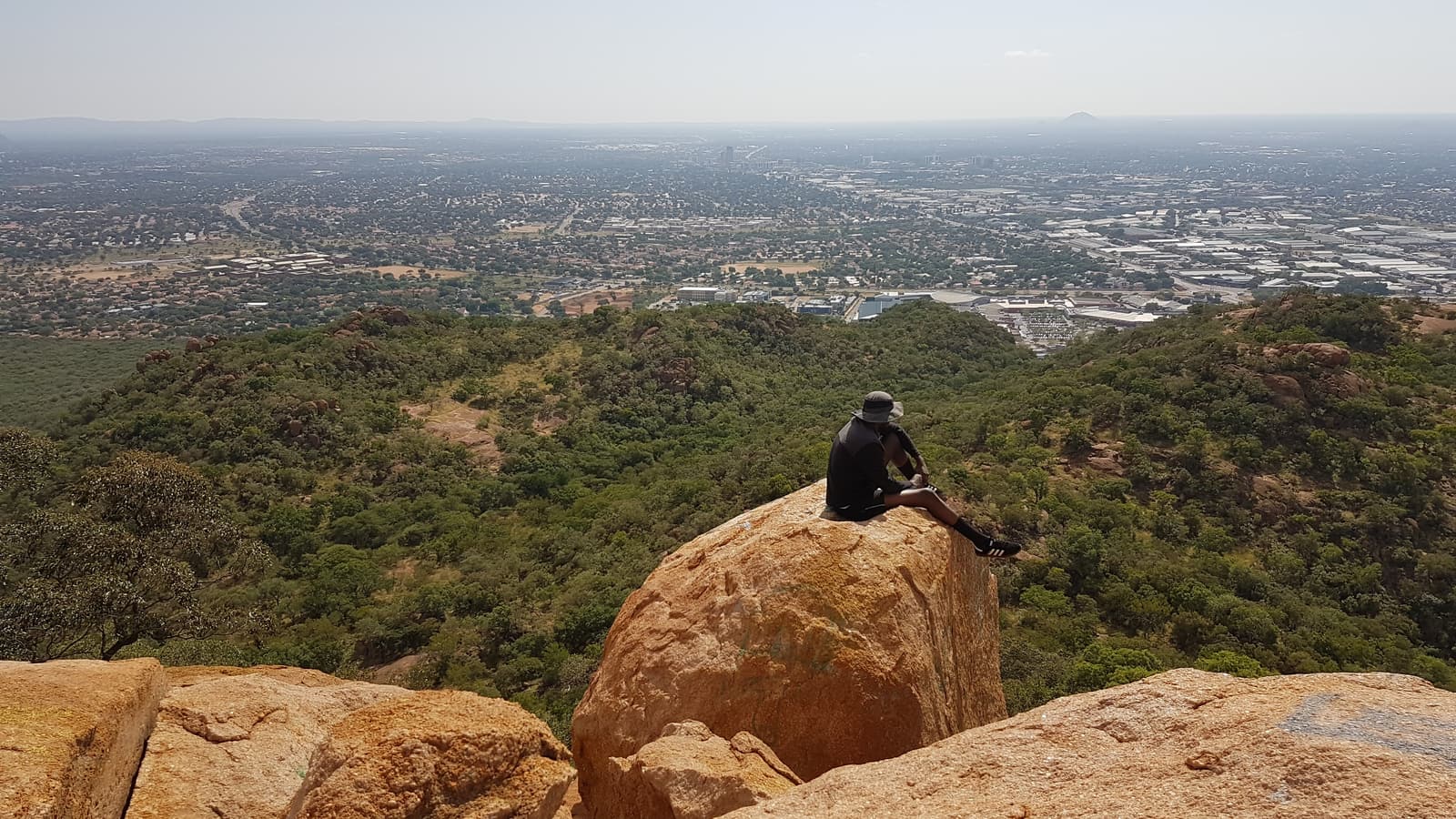
 Kgale Hill & Gaborone Dam
The Sleeping Giant above the city
The 1,287-metre hill on the south-western edge of Gaborone is the city’s favourite hike: roughly an hour up for a view over the whole capital, the bushveld and Gaborone Dam. The dam below, the city’s reservoir since the 1960s, has a yacht club and quiet shoreline viewpoints, and Kgale is where Mma Ramotswe’s detective agency sits in the novels.
 In the city
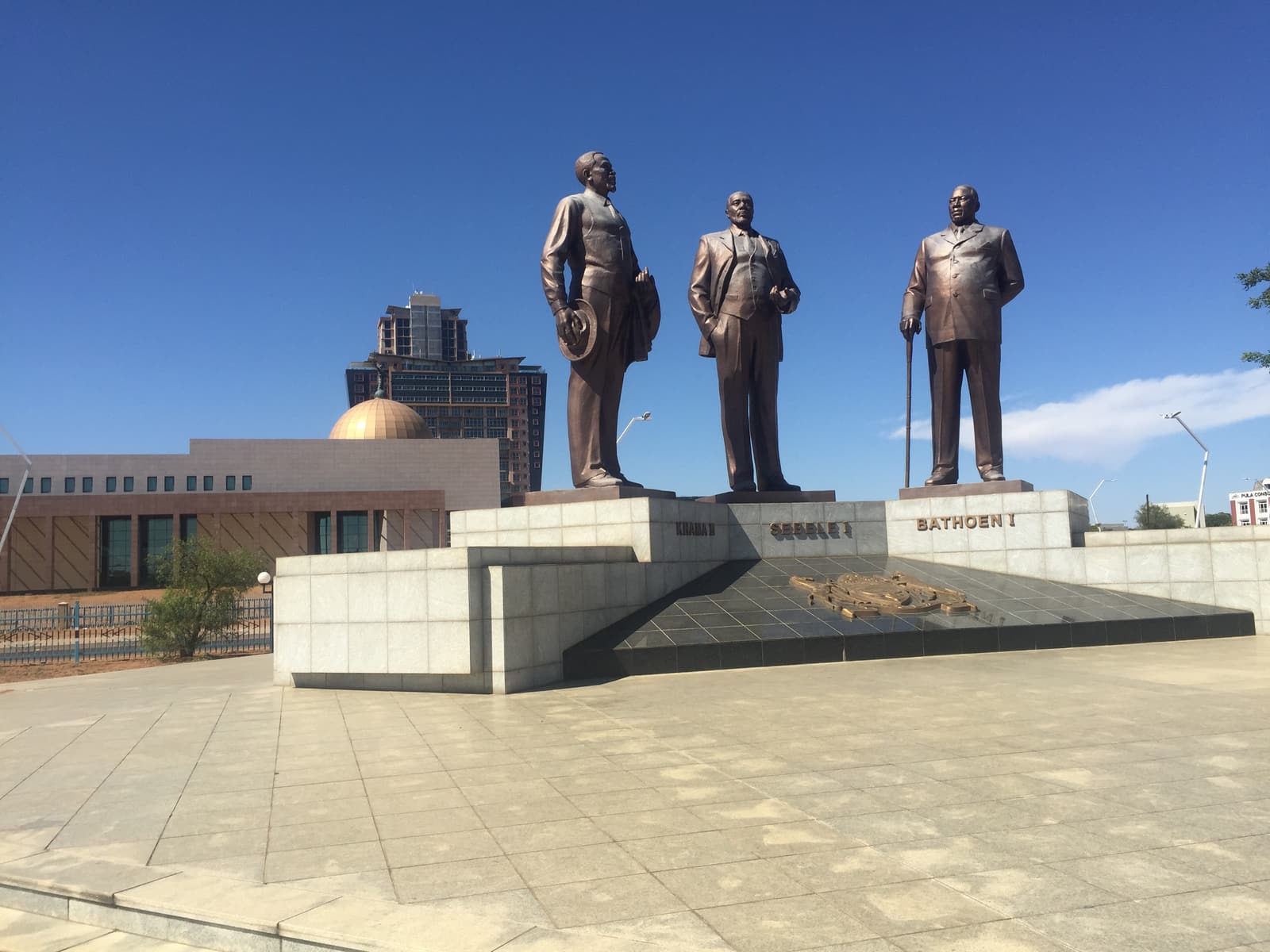
 Three Dikgosi Monument & the CBD
Three chiefs who kept a country
Bronze statues, 5.4 metres high, of Khama III, Sebele I and Bathoen I — the chiefs who sailed to Britain in 1895 to keep their lands out of Cecil Rhodes’s hands. Unveiled in 2005, the monument stands in the new Central Business District, a short walk from the High Court, Parliament and the Government Enclave.
Suggested itineraries
One day
Take the morning city tour: Three Dikgosi Monument, Parliament, Main Mall. Lunch on the terrace of the President Hotel. In the late afternoon, drive the Gaborone Game Reserve or go to Mokolodi for a game drive, and finish with dinner in the CBD.
Two days
Day one as above. On day two, climb Kgale Hill at sunrise, then spend the middle of the day at Botswanacraft and Thapong, and the afternoon at Mokolodi tracking rhino or giraffe. Or let the two-day guided package do the organising.
Three to four days
Add a loop north to Matsieng, Mochudi and Oodi, and a half-day west to Kolobeng and Manyana. With a fourth day, cross into Madikwe for a night or two — or fly north.
Safety
Botswana is one of the most stable and least corrupt countries in Africa, and Gaborone is a safe city by regional standards. Problems that do occur are mostly opportunistic: phones and bags snatched, cars broken into at malls, occasional muggings after dark.
- Use a taxi or ride-hailing car at night rather than walking, even for short distances.
- Keep phones and cameras out of sight on the street and in combis; leave nothing visible in a parked car.
- Do not climb Kgale Hill alone or late in the day.
- On the road, the main danger is livestock and wildlife after dark, and speeding drivers at weekends.
Money
The currency is the pula (BWP), which means “rain” — a blessing in a dry country — divided into 100 thebe. It is one of Africa’s more stable currencies; as a rough guide the rate has been in the region of 13–14 pula to the US dollar, but check the current figure. ATMs are everywhere in the malls and accept international cards, Visa and Mastercard are widely taken, and South African rand are sometimes accepted informally near the border, though you should not rely on it. Tipping around 10% in restaurants is customary where service is not included.
Food and drink
The national dish is seswaa: beef boiled with salt until it falls apart, then pounded. It comes with bogobe (sorghum porridge) or phaletšhe (maize meal), morogo (wild greens) and often dikgobe (beans and samp). Botswana beef is excellent and steakhouses are good value. Try magwinya (fat cakes) from a street stall, phane (dried mopane worms) if you are curious, and home-made ginger beer. Rooibos — Mma Ramotswe’s “bush tea” — is on every menu. Restaurants cluster in the malls: Riverwalk, Game City, Airport Junction, the Masa Centre and the CBD.
Tap water in Gaborone is generally treated and considered safe to drink, though many visitors prefer bottled water.
Health
Gaborone and the south-east are generally regarded as free of malaria risk; the north of the country (Okavango, Chobe) is a malaria area, especially from November to June. Private hospitals in the city are of a good standard, and travel insurance is essential. The sun is strong at over 1,000 metres — use sunscreen and drink plenty of water. A yellow fever certificate is required only if you arrive from a country where the disease is present. Take up-to-date medical advice before you travel.
Language and manners
English is the official language and is spoken almost everywhere; Setswana is the national language and the one you will hear in the street. Greetings matter a great deal. Say “Dumela, rra” to a man and “Dumela, mma” to a woman before you ask for anything, and you will be received warmly. “Ke a leboga” means thank you; “Pula!” is the national cheer.
Practical details
- Time: Central Africa Time, UTC+2, with no daylight saving.
- Electricity: 230 V; sockets are mostly the British three-pin type G and the round-pin types D and M used in South Africa. Bring an adaptor.
- Phones and internet: the country code is +267. Local SIM cards from Mascom, Orange and BTC are sold in the malls on presentation of a passport; mobile data coverage in the city is good.
- Opening hours: offices typically 8 am–5 pm on weekdays; many shops close on Saturday afternoon, and the old centre is quiet on Sundays, though the malls stay open.
- Public holidays: the long weekends around President’s Day (July) and Independence Day (30 September–1 October) empty the city as people go home to their villages.
- What to pack: light clothes, a hat and sunscreen all year; a warm jacket from May to August, when nights can drop close to freezing; closed shoes for the bush; binoculars.