Skip to content
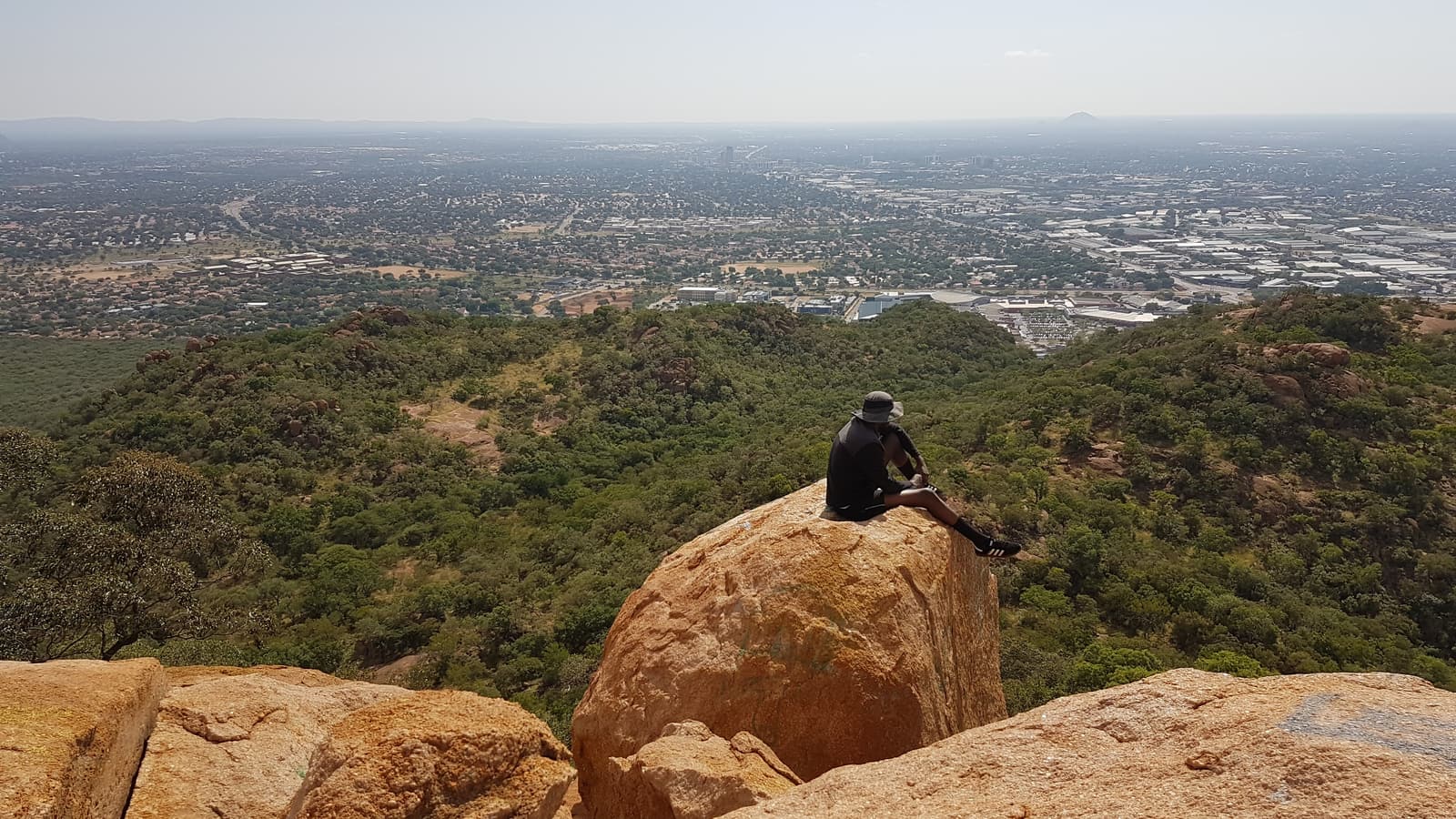
View over Gaborone from the summit of Kgale Hill

Things to See in and around Gaborone

Thirteen places that turn a stopover in the capital into a proper visit.

Gaborone’s sights fall into three rings. In the city itself are the monuments, markets and two game reserves. Within an hour’s drive are the villages where Tswana history was made — Mochudi, Manyana, Oodi, Mmankgodi. And further out, for those with more time, are rhino at Khama, the Big Five at Madikwe and the great wilderness of the north.

Each place below has its own guide with what to do, how to get there, practical tips and the tours that cover it.
In the city

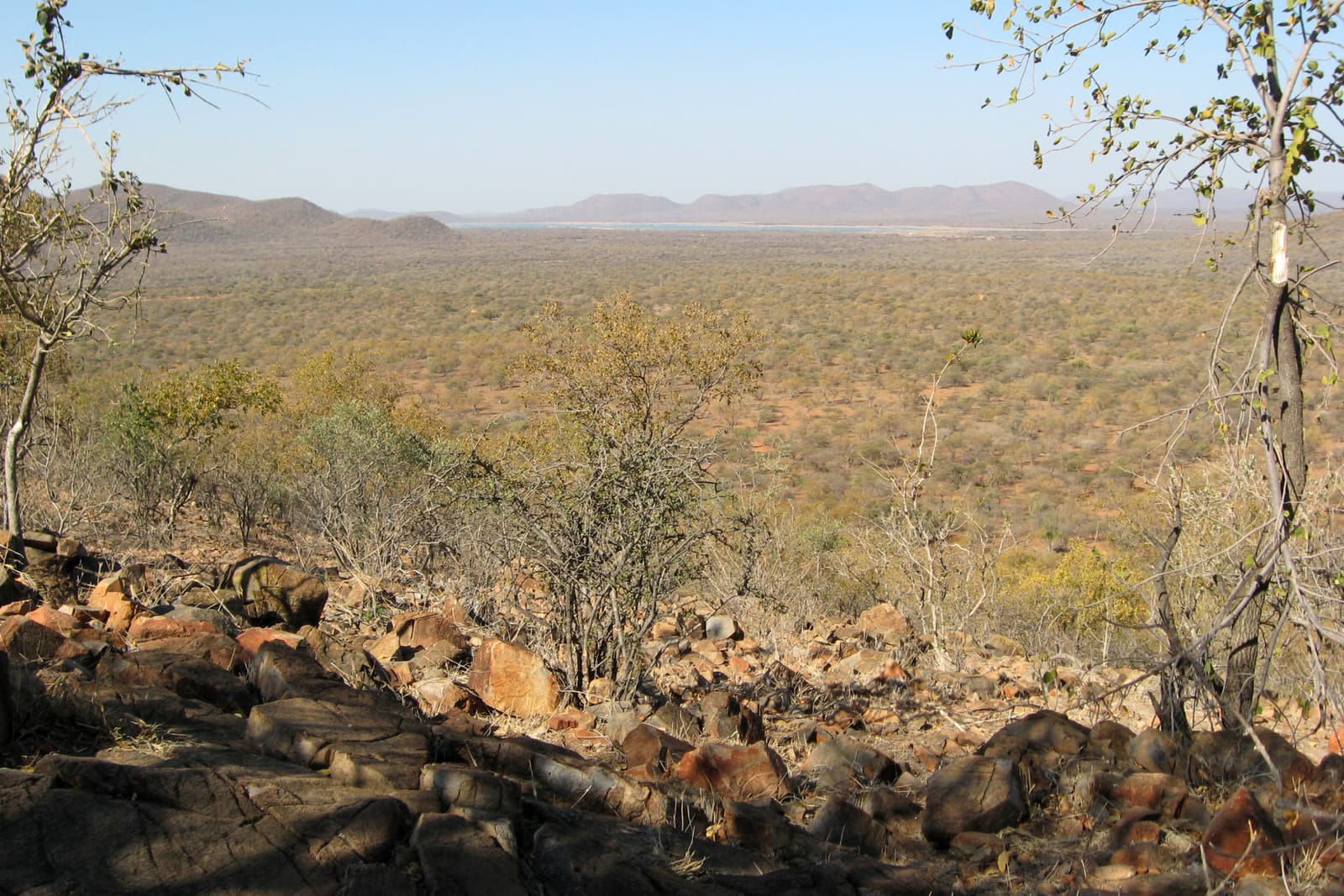
View over the bush-covered hills of Mokolodi Nature Reserve In the city

Mokolodi Nature Reserve

Rhino and giraffe fifteen minutes from the city

A non-profit private reserve in the rocky hills just south of Gaborone, founded in 1994. Game drives find giraffe, zebra, kudu, wildebeest and white rhino, and guided rhino and giraffe tracking on foot is the experience people remember. There is a restaurant, chalets and a campsite, so it also works as a night away from town.

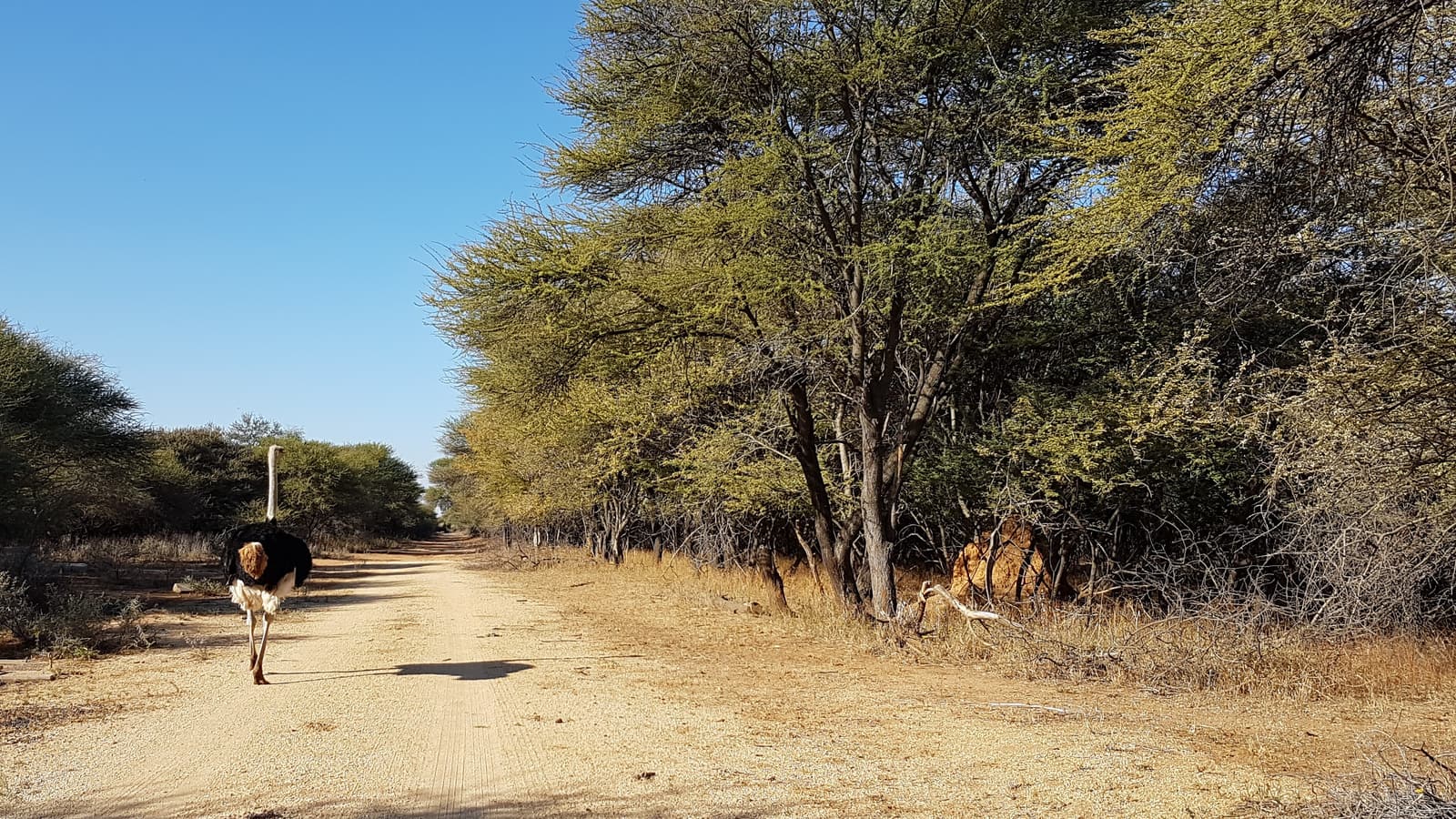
An ostrich on a gravel track in the Gaborone Game Reserve In the city

Gaborone Game Reserve

A game drive inside the city limits

A small fenced reserve on the eastern edge of the city along the Notwane River, opened in 1988. You can drive its gravel loops in an ordinary car and expect zebra, eland, kudu, impala, wildebeest, warthog, ostrich and vervet monkeys, with bird hides and picnic sites. It is the cheapest and quickest wildlife fix in Botswana.

A hiker on a boulder at the summit of Kgale Hill looking over Gaborone In the city

Kgale Hill & Gaborone Dam

The Sleeping Giant above the city

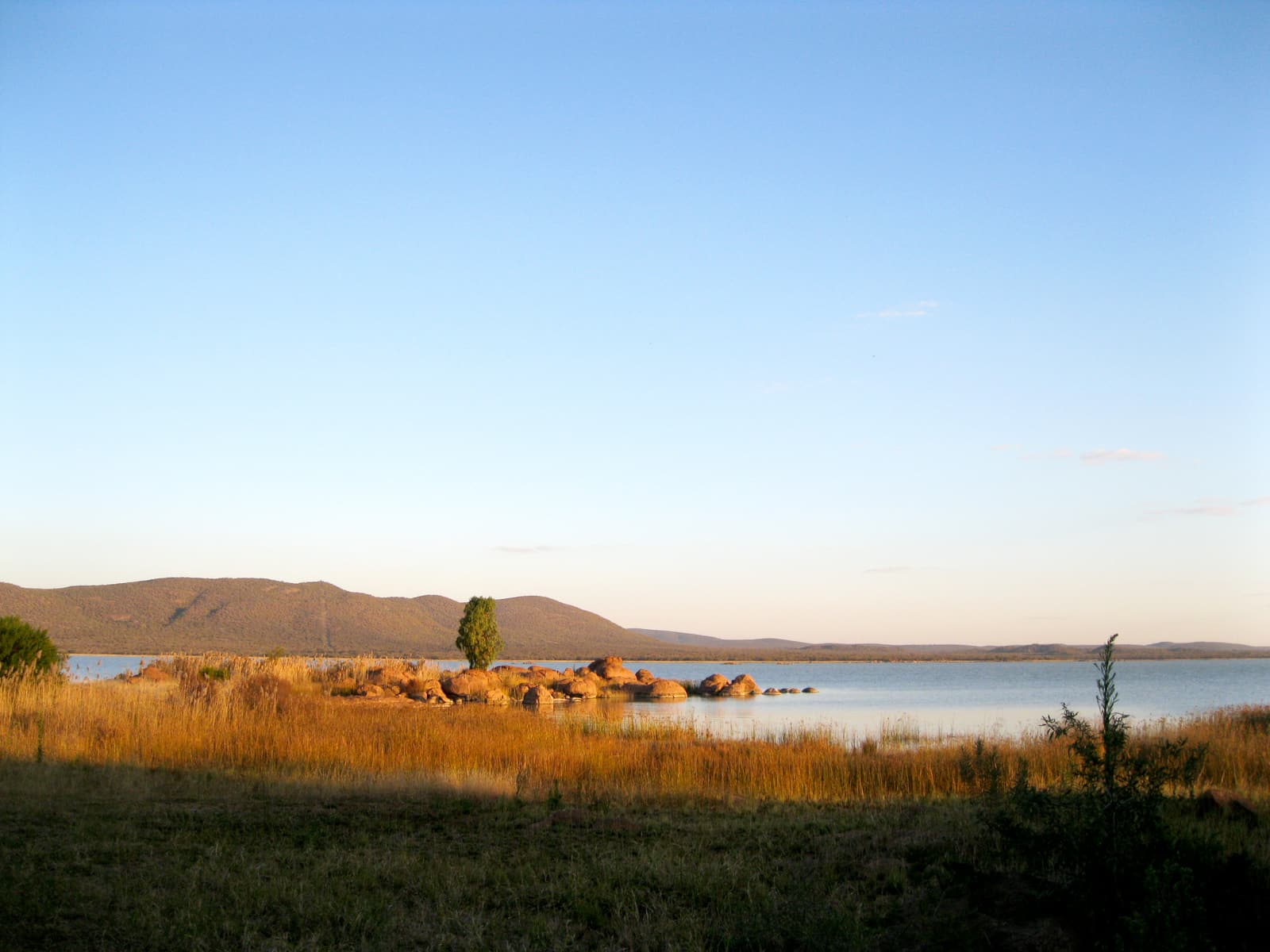
The 1,287-metre hill on the south-western edge of Gaborone is the city’s favourite hike: roughly an hour up for a view over the whole capital, the bushveld and Gaborone Dam. The dam below, the city’s reservoir since the 1960s, has a yacht club and quiet shoreline viewpoints, and Kgale is where Mma Ramotswe’s detective agency sits in the novels.

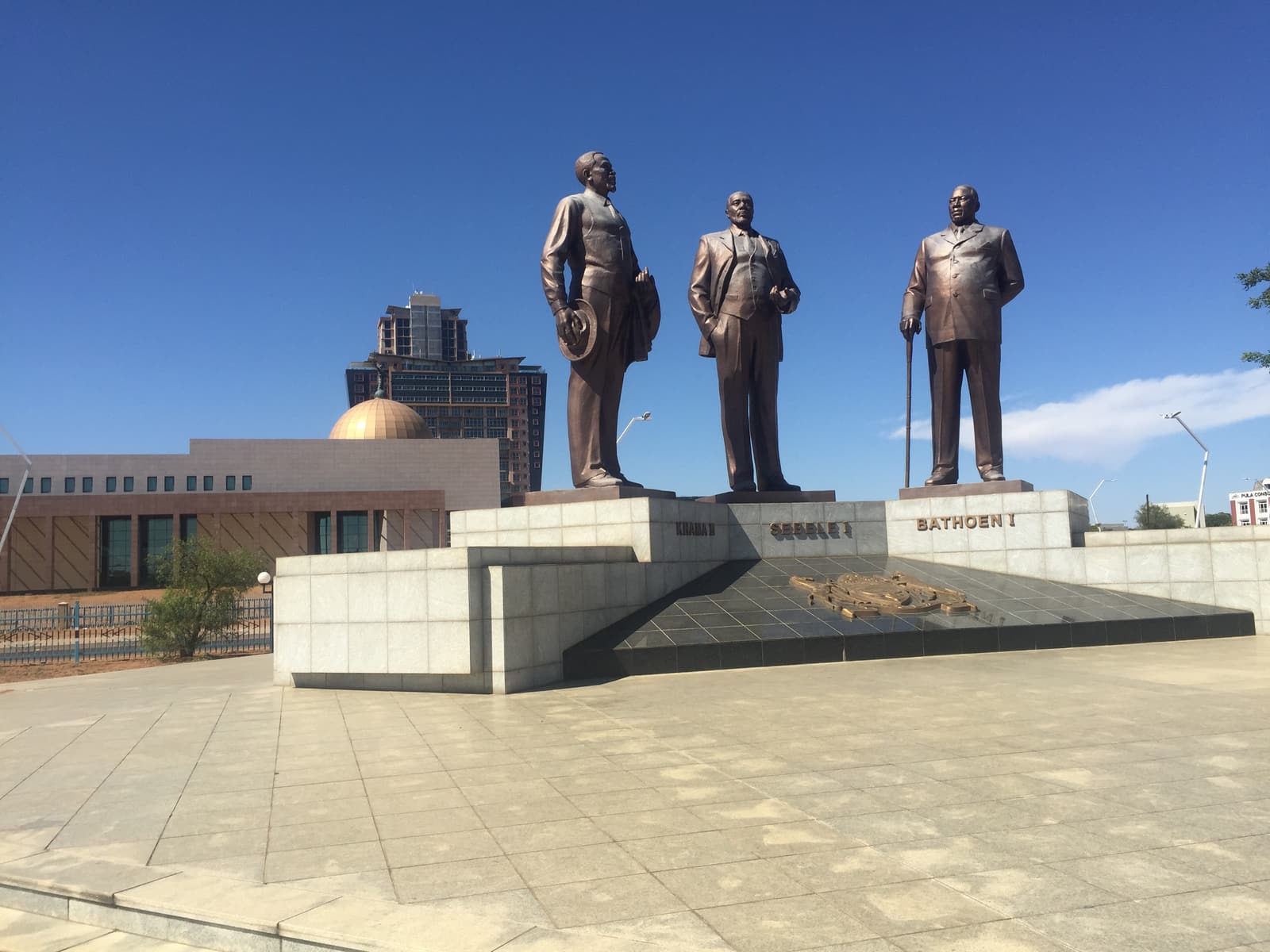
The Three Dikgosi Monument in the Central Business District of Gaborone In the city

Three Dikgosi Monument & the CBD

Three chiefs who kept a country

Bronze statues, 5.4 metres high, of Khama III, Sebele I and Bathoen I — the chiefs who sailed to Britain in 1895 to keep their lands out of Cecil Rhodes’s hands. Unveiled in 2005, the monument stands in the new Central Business District, a short walk from the High Court, Parliament and the Government Enclave.

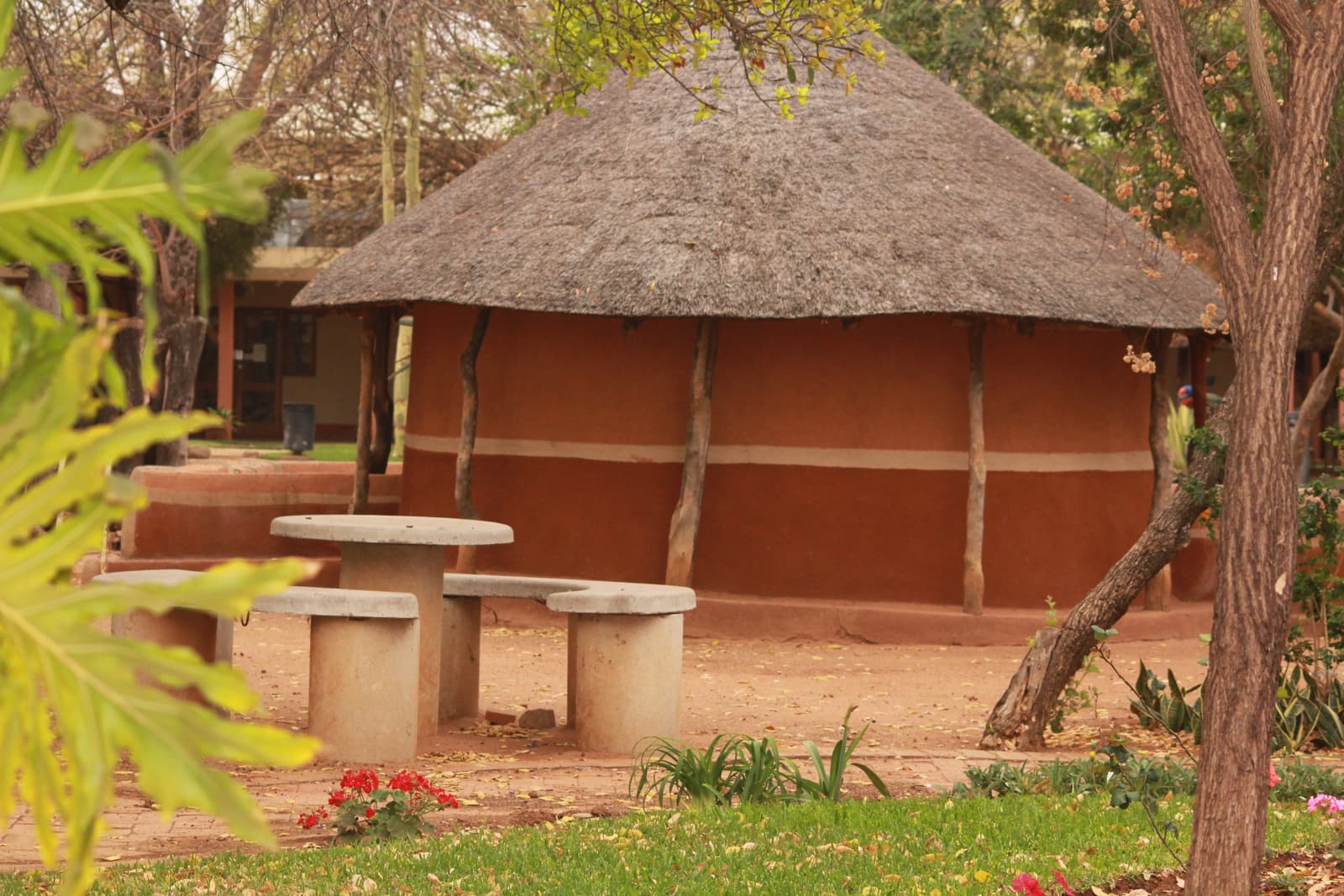
A traditional thatched house in the grounds of the National Museum in Gaborone In the city

National Museum & Main Mall

The original heart of the capital

Main Mall is the pedestrian spine of the 1960s city, running from Parliament and the Government Enclave to the Civic Centre, lined with craft stalls, banks and the terrace of the President Hotel. Just off its eastern end are the National Museum and Art Gallery; a little further, Thapong Visual Arts Centre shows what the city’s artists are making now.

Villages & day trips

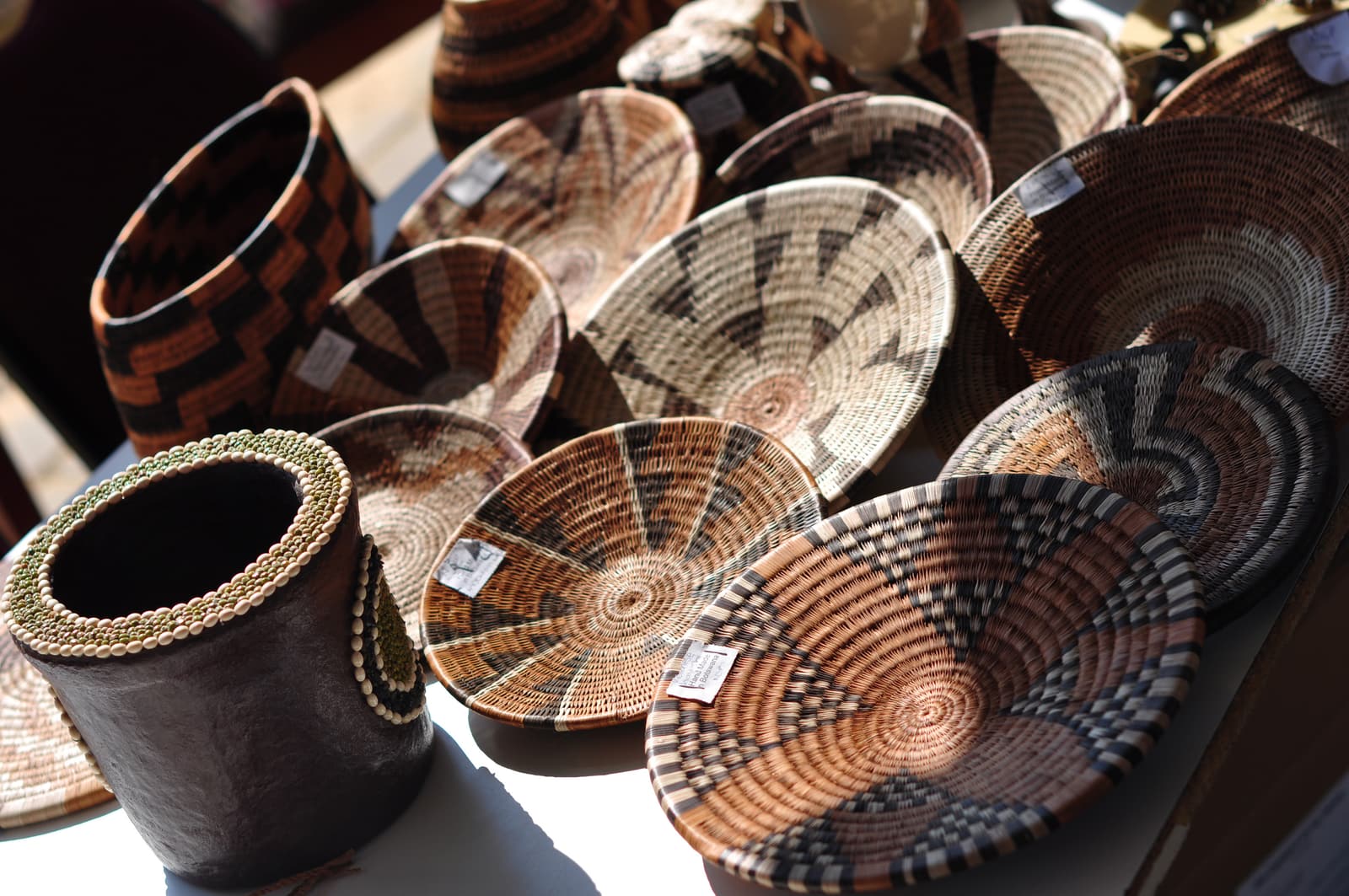
Hand-woven Botswana baskets with traditional patterns Villages & day trips

Oodi Weavers & the craft trail

Tapestries, baskets and working studios

In the village of Oodi, about 20 km north-east of Gaborone, the Lentswe la Oodi Weavers cooperative has been hand-weaving tapestries of village life since 1973. Combine it with Botswanacraft in the city — the best place to buy baskets from the north — and Thapong Visual Arts Centre for a day of crafts with real makers behind them.

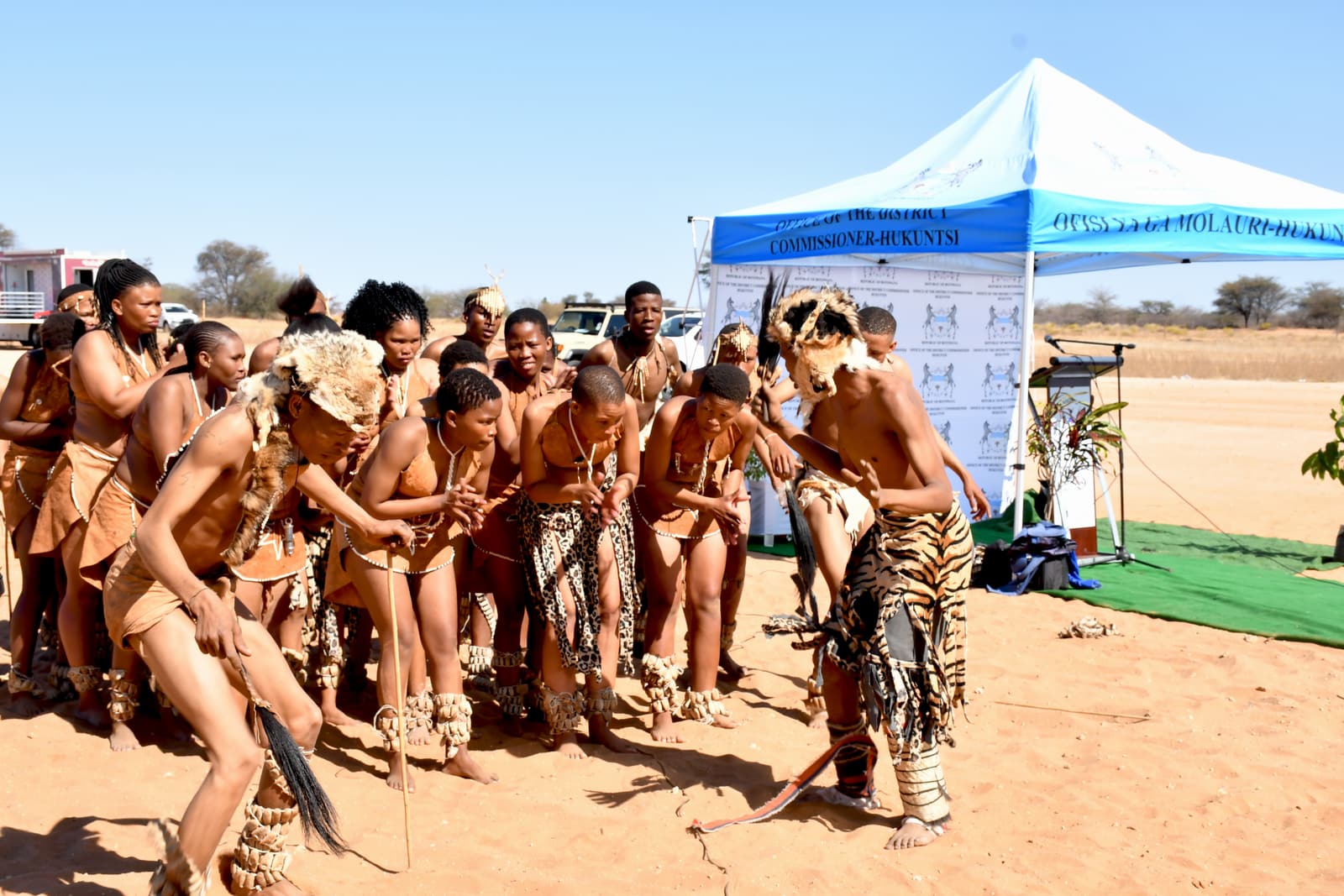
Traditional dancers in animal-skin dress performing in Botswana Villages & day trips

Bahurutshe Cultural Village

Song, dance and seswaa in Mmankgodi

A cultural lodge in the village of Mmankgodi, around 35 km west of Gaborone, run by members of the Bahurutshe community. Visits are booked in advance and typically include a traditional welcome, dancing, explanations of customs such as marriage negotiations, and a meal cooked over the fire. You can stay overnight in rondavels.

Water-filled holes in the sandstone at the Matsieng Footprints site Villages & day trips

Matsieng Footprints

Where the first ancestor stepped out of the earth

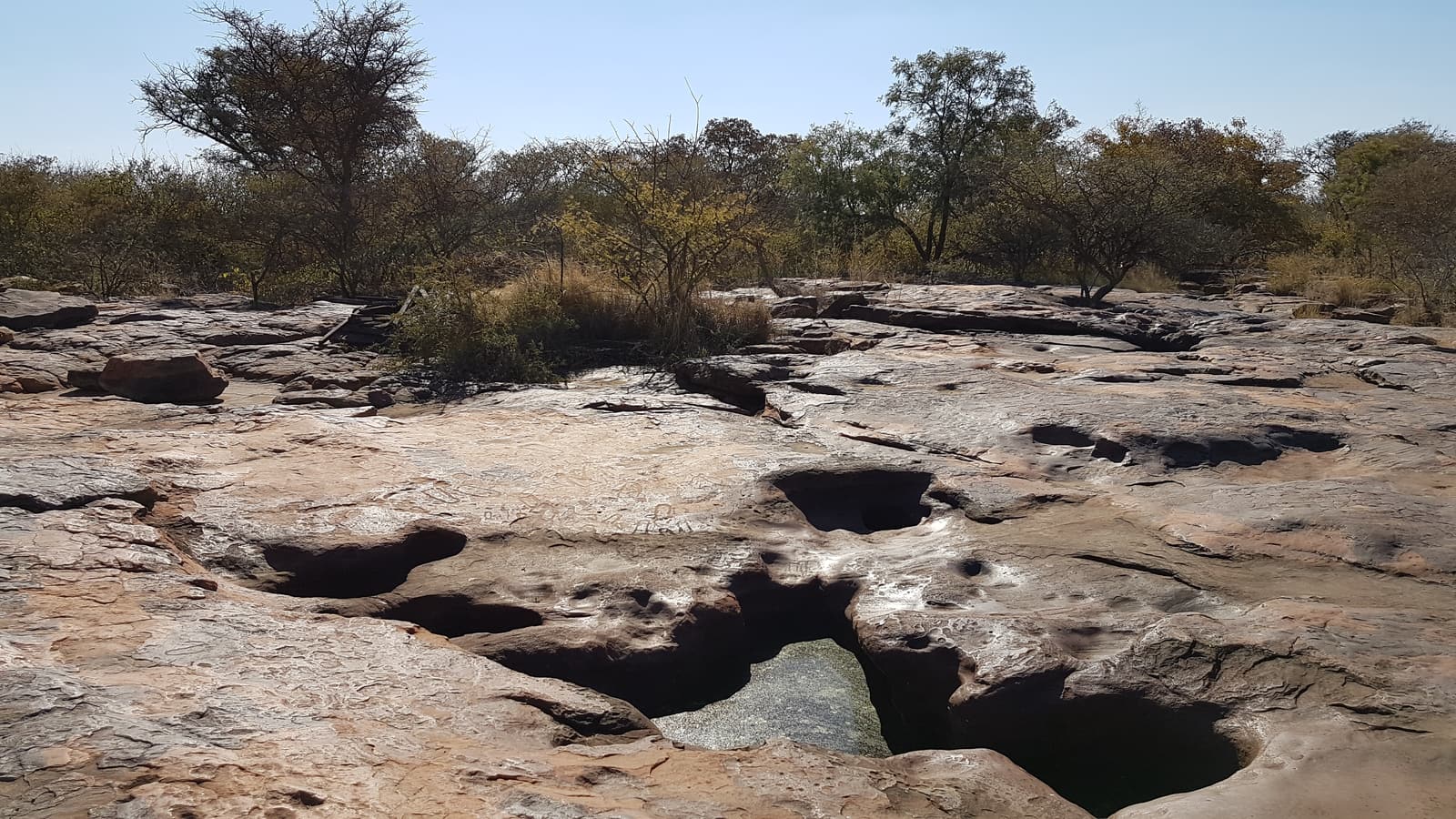
A slab of sandstone near Rasesa, about 40 km north of Gaborone, pitted with natural holes and covered in ancient engravings of feet and animal tracks. In Tswana tradition this is where Matsieng, the first ancestor, climbed out of the ground followed by his people and their animals. A small, quiet national monument, easily combined with Mochudi.

The sandstone overhang that shelters the Manyana rock paintings Villages & day trips

Manyana Rock Paintings & Kolobeng

Rock art and Livingstone’s Botswana

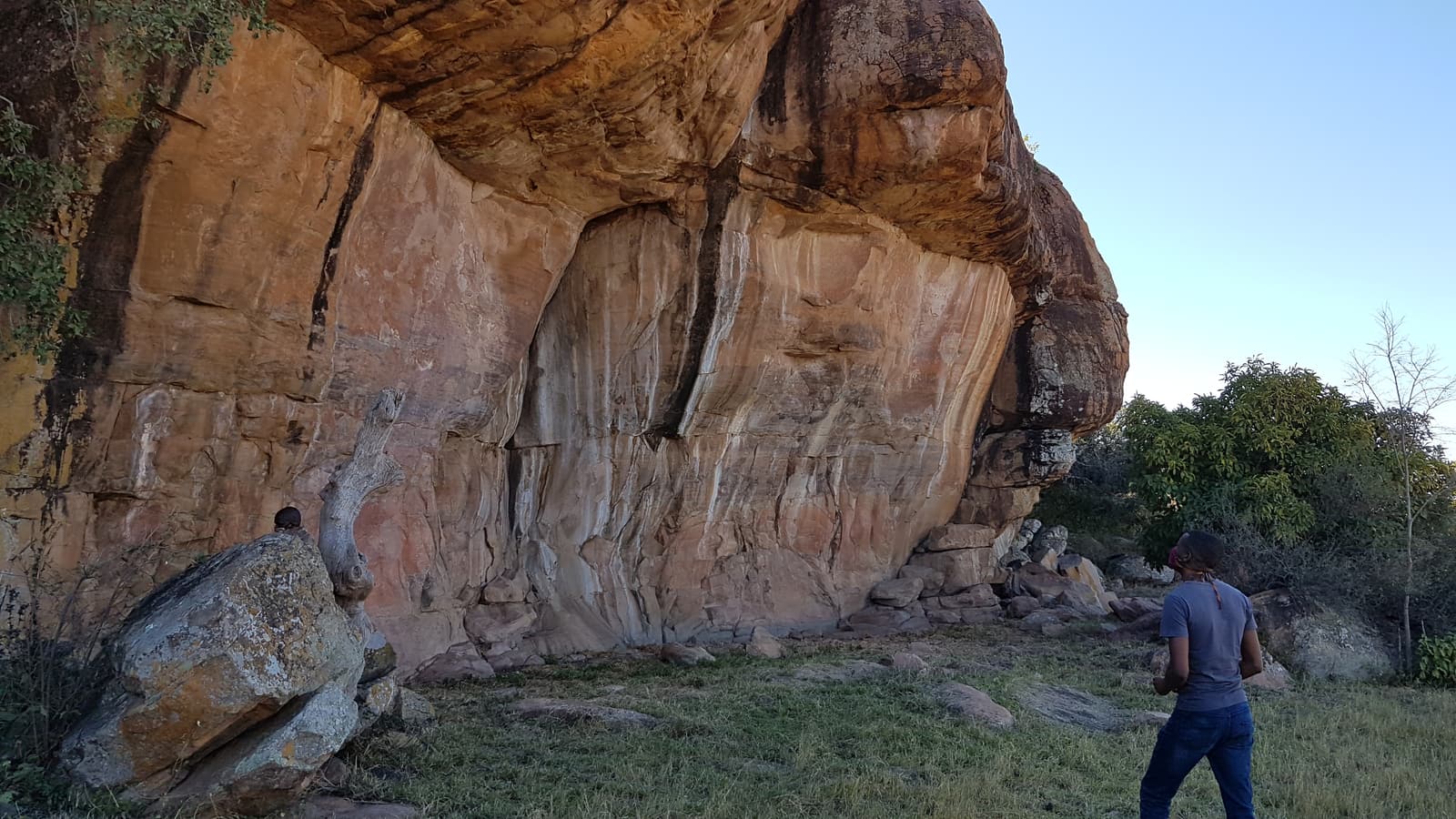
At Manyana, about 50 km south-west of the capital, a sandstone cliff shelters ochre paintings of giraffe, antelope and human figures, attributed to the San. Nearby stands the great fig tree where David Livingstone preached, and on the way back are the ruins of his Kolobeng mission, where he lived from 1847 to 1852.

The Cape Dutch-style Phuthadikobo Museum building in Mochudi Villages & day trips

Mochudi & Phuthadikobo Museum

The Bakgatla capital on its hill

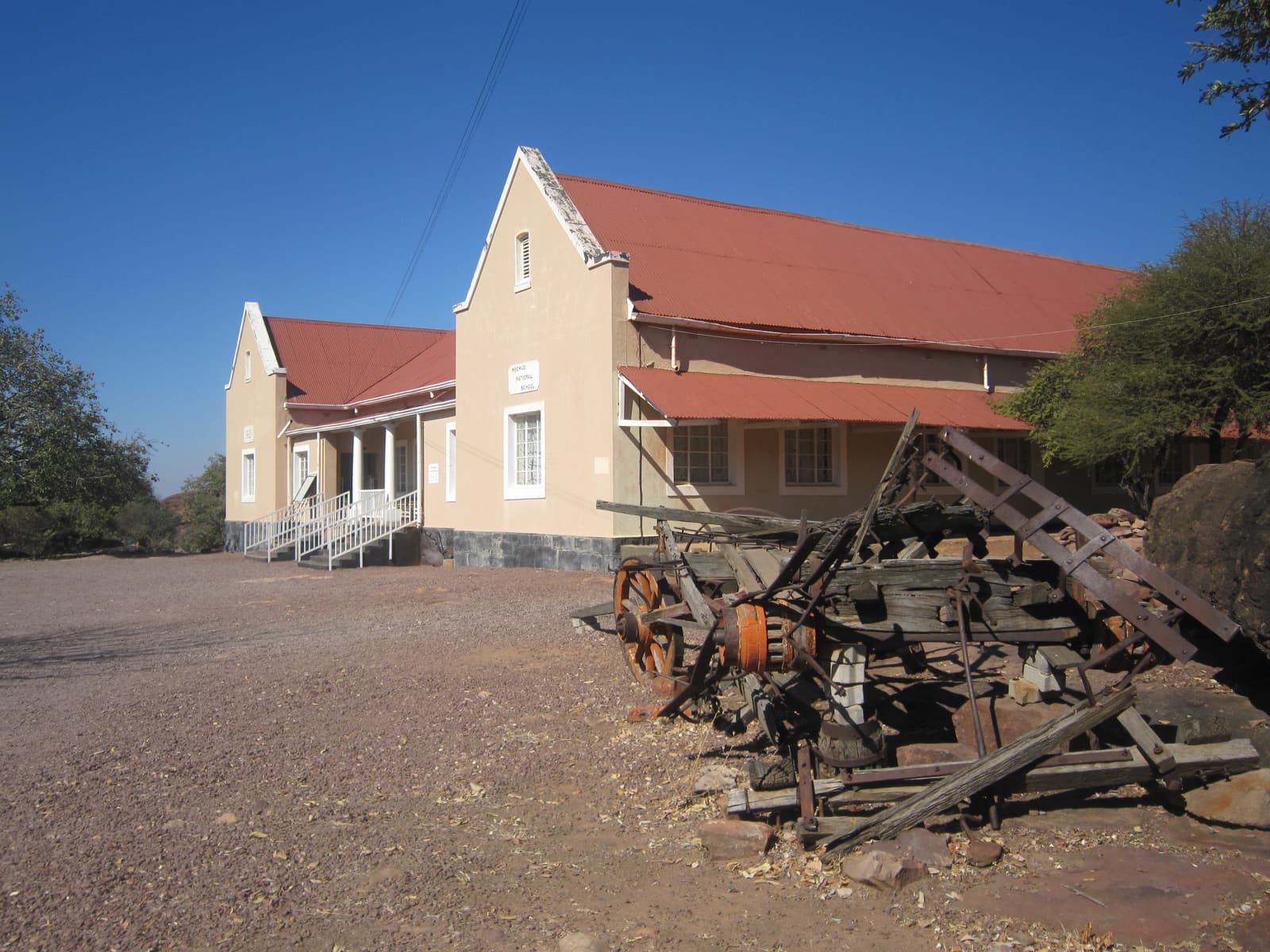
Mochudi, about 40 km north of Gaborone, has been the capital of the Bakgatla-ba-Kgafela since 1871 and is one of the most attractive traditional towns in the south. On Phuthadikobo Hill, the Cape Dutch-style school built by the community in the early 1920s now houses a museum of Bakgatla history, with wide views over the town and its royal kgotla.

Further afield

Two white rhinos grazing at Khama Rhino Sanctuary with a kudu behind Further afield

Khama Rhino Sanctuary

Botswana’s rhino stronghold, on the road north

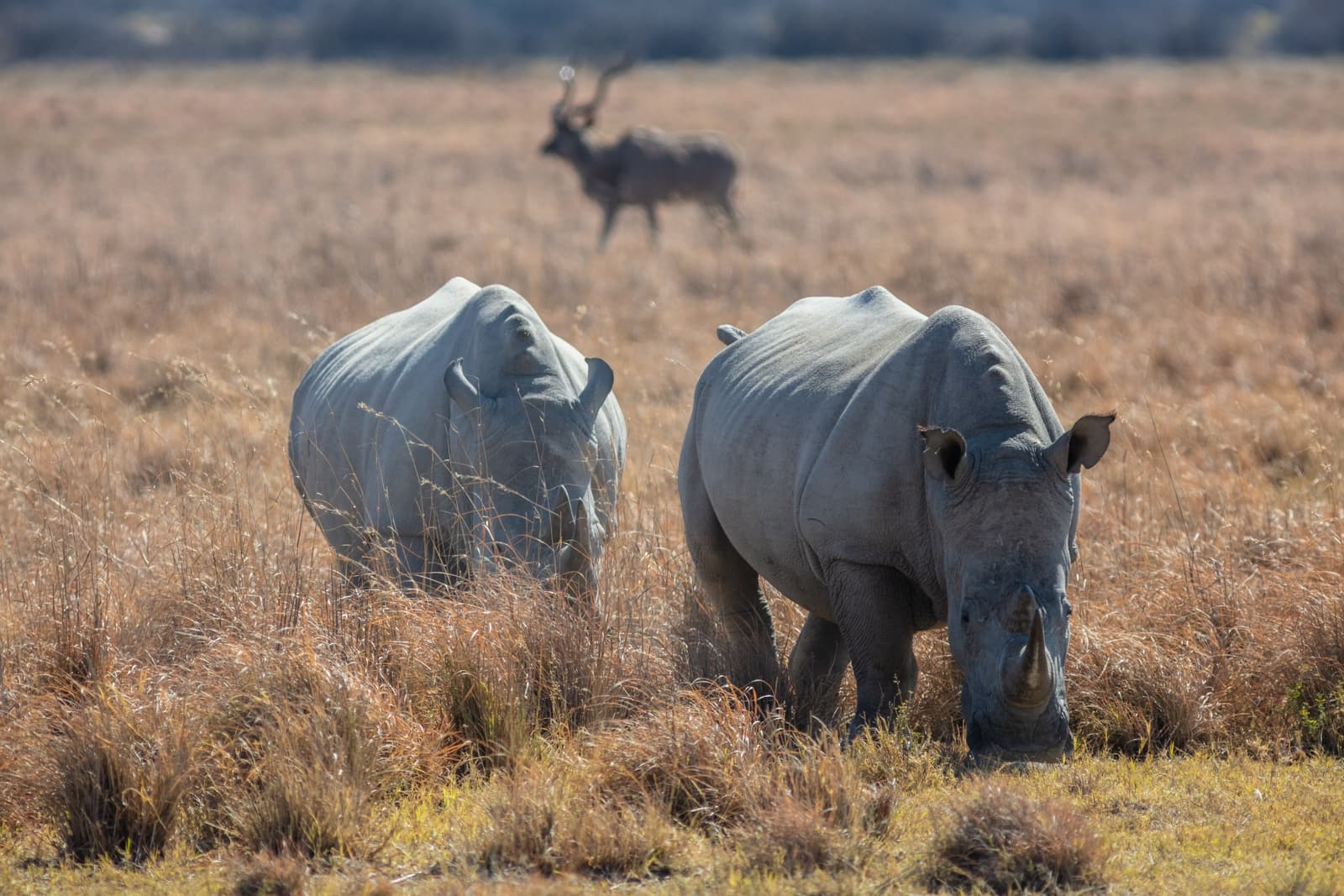
A community-run sanctuary near Serowe, roughly 300 km north of Gaborone, created in 1992 to give rhinos a safe home. White rhinos graze around Serwe Pan alongside zebra, wildebeest, giraffe and eland, and a few black rhinos live here too. With chalets and campsites, it is the natural overnight stop between the capital and the far north.

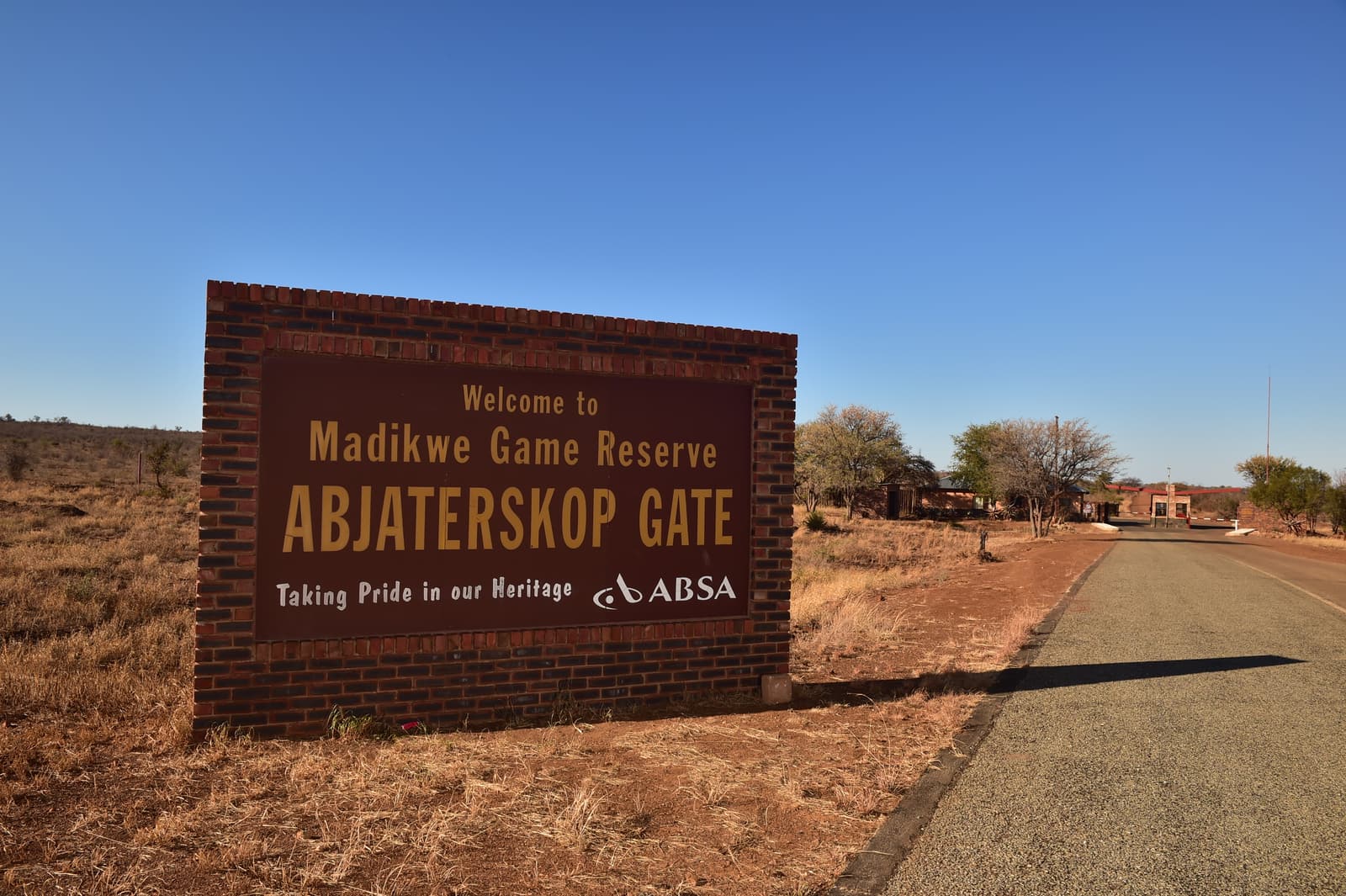
The entrance sign of Madikwe Game Reserve at Abjaterskop Gate Further afield

Madikwe Game Reserve

The Big Five, just across the border

One of South Africa’s largest game reserves begins at the Botswana border, under an hour from Gaborone through the Tlokweng–Kopfontein crossing. Malaria-free and home to lion, elephant, rhino, buffalo, leopard and African wild dog, it is open only to guests staying at its lodges — which is exactly why its game drives feel so uncrowded.

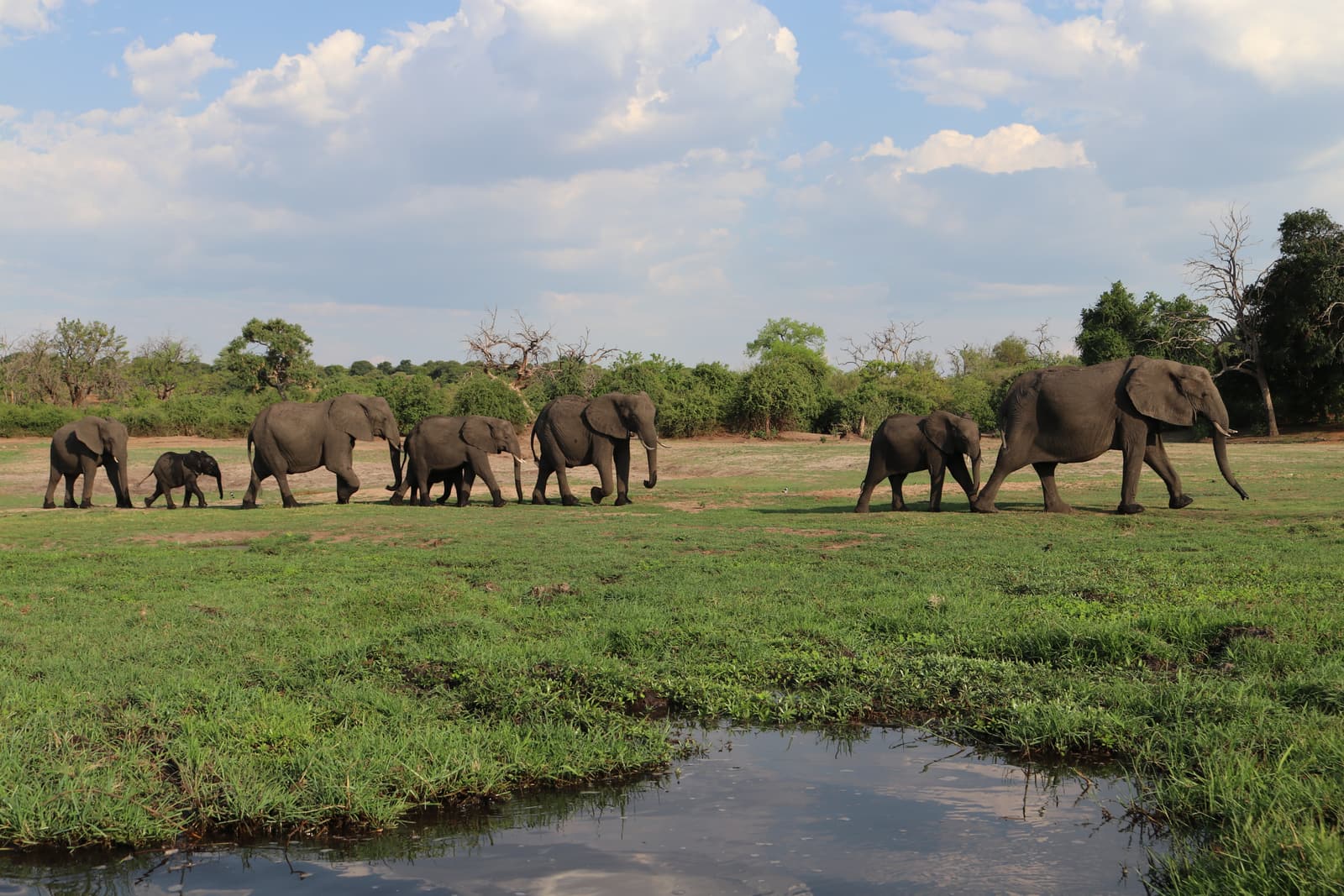
A herd of elephants on the floodplain of the Chobe River Further afield

Okavango Delta & Chobe

Onward to Botswana’s great wilderness

Most visitors to Botswana come for the north: the Okavango Delta, a UNESCO World Heritage wetland explored by mokoro, and Chobe National Park, with its enormous elephant herds. Both are a direct flight from Gaborone — to Maun for the delta, to Kasane for Chobe and Victoria Falls — and day tours from each town are easy to book.

A sensible three-day plan: Day one — city tour in the morning (Three Dikgosi, Parliament, Main Mall), Gaborone Game Reserve in the late afternoon. Day two — Kgale Hill at sunrise, then Mokolodi for lunch and an afternoon game drive or rhino tracking. Day three — a loop north to Matsieng, Mochudi and Oodi, or west to Kolobeng and Manyana.

Short of time? Our ranked tour list shows which guided days cover the most ground, and the travel guide has ready-made itineraries.

Plan your trip

See more of Gaborone with a local guide

Stand beneath the Three Dikgosi, track rhino on foot at Mokolodi and follow Mma Ramotswe down Zebra Drive. Compare city tours, game drives and village day trips — and book in a couple of taps.