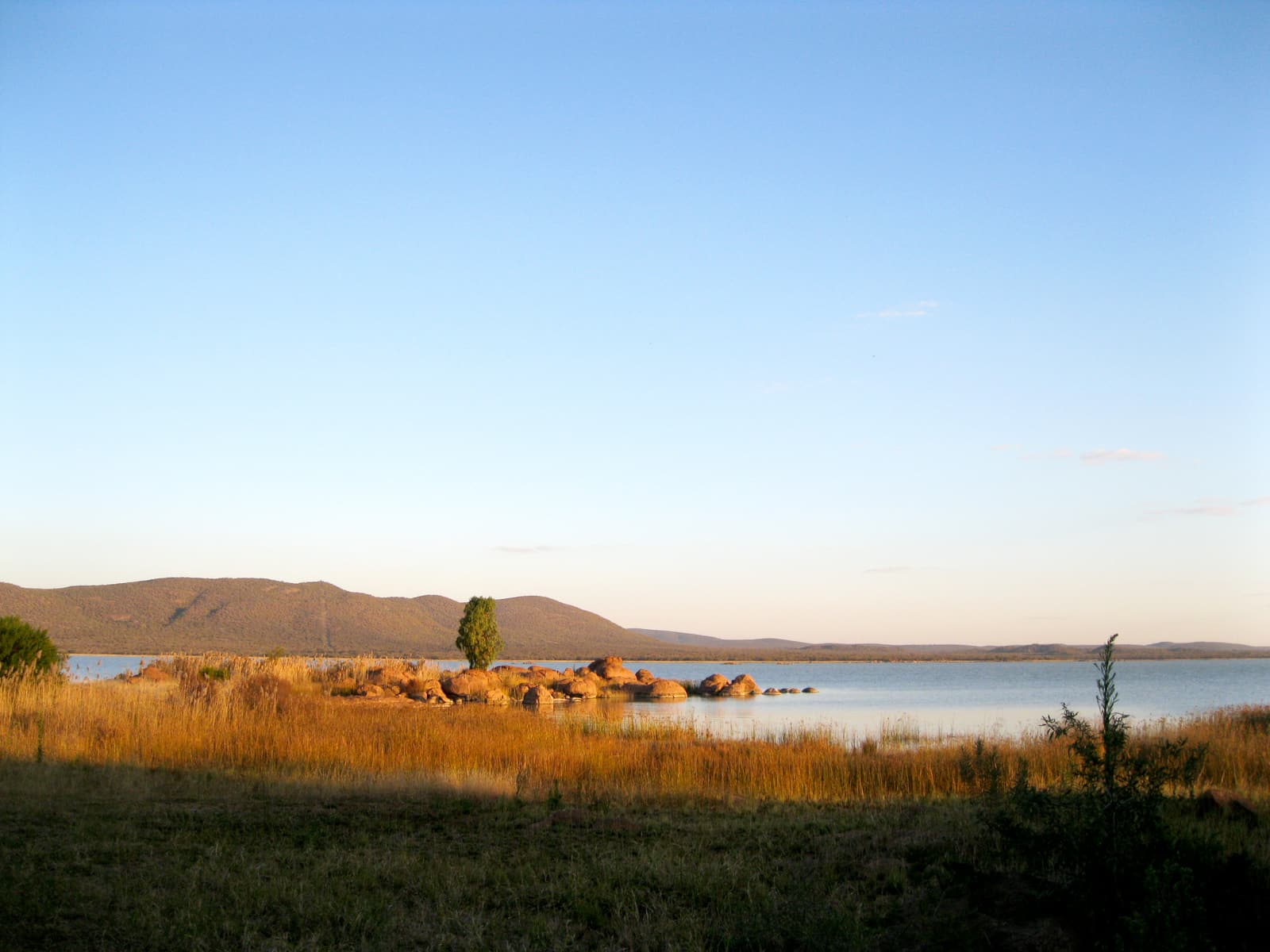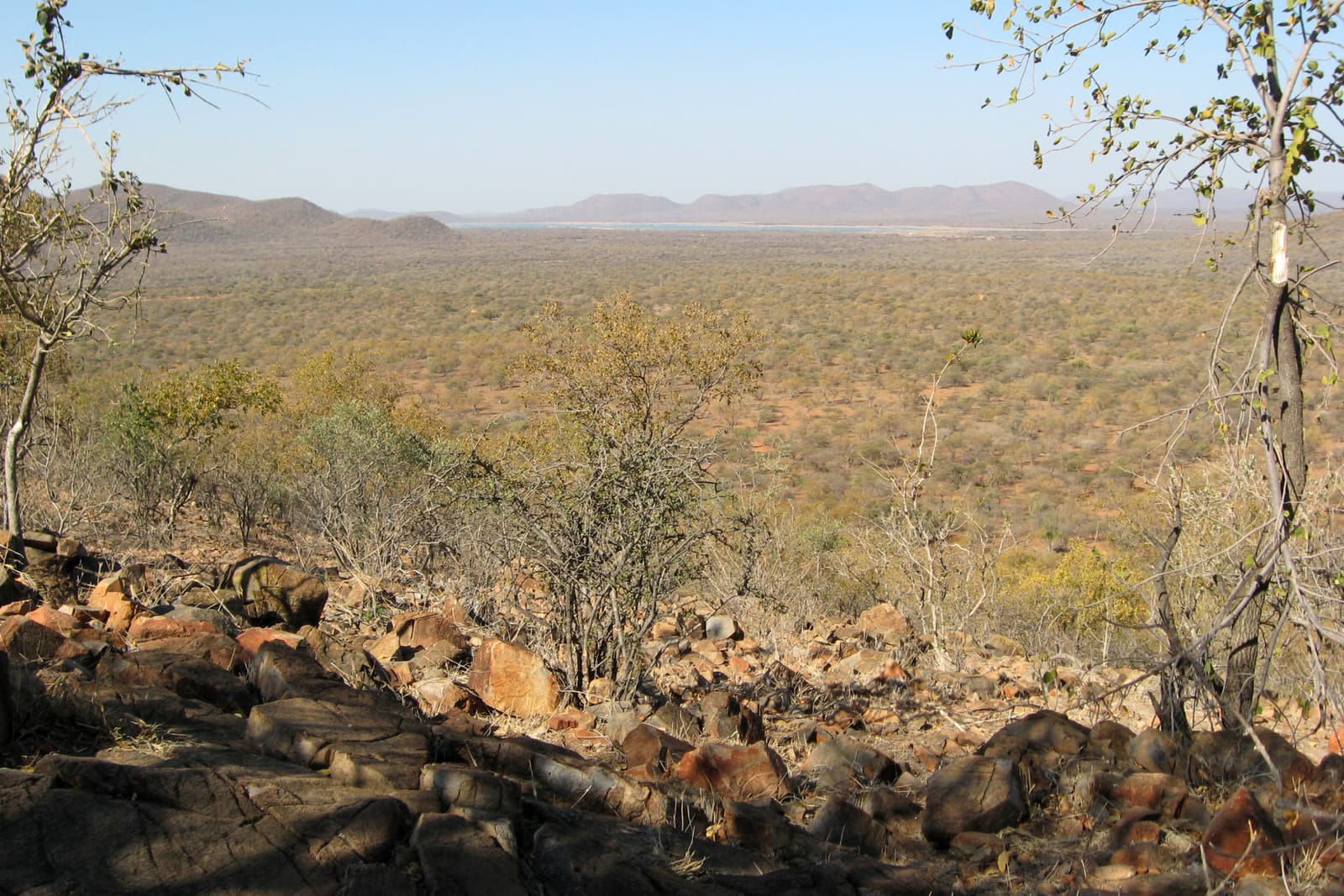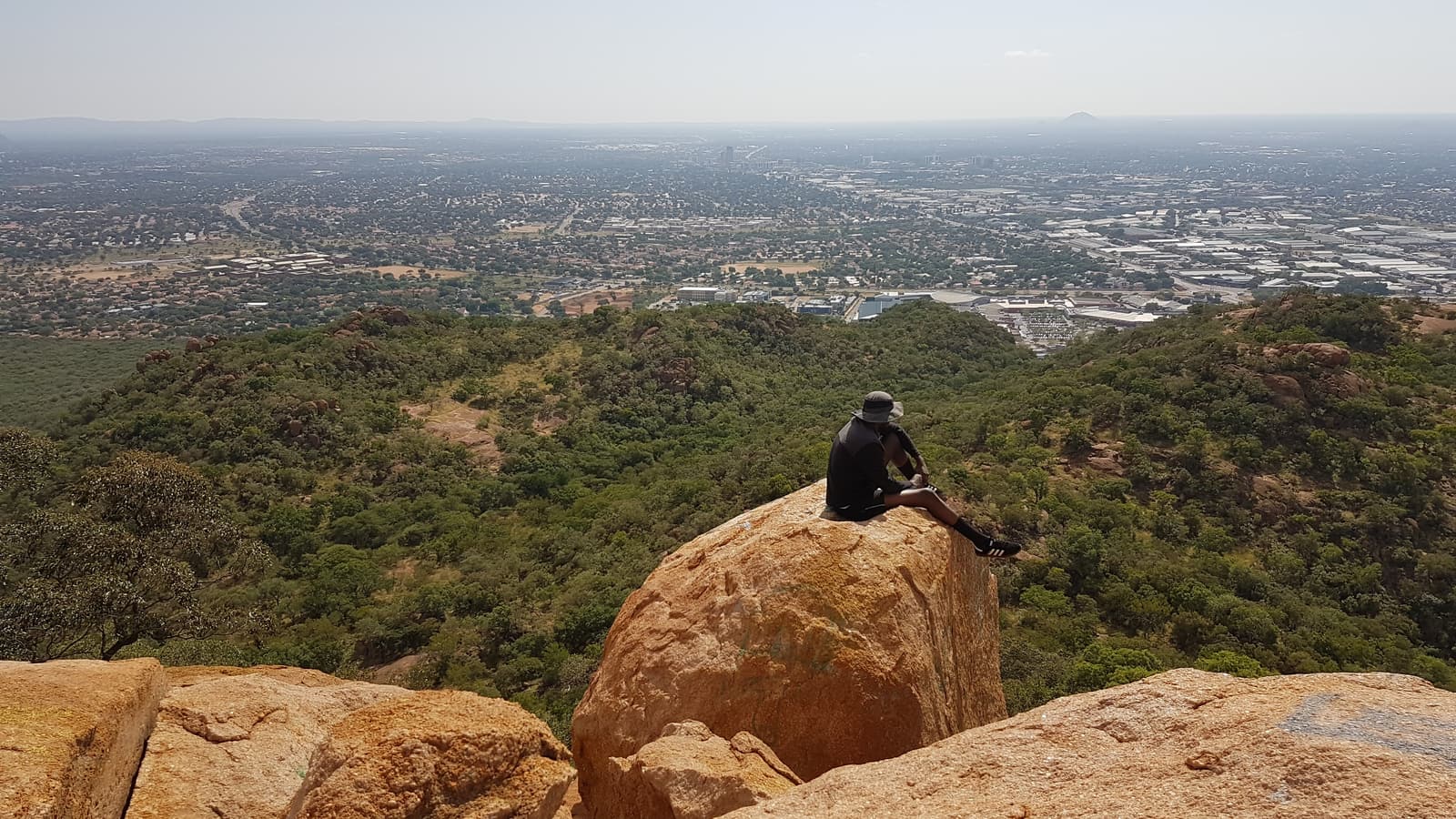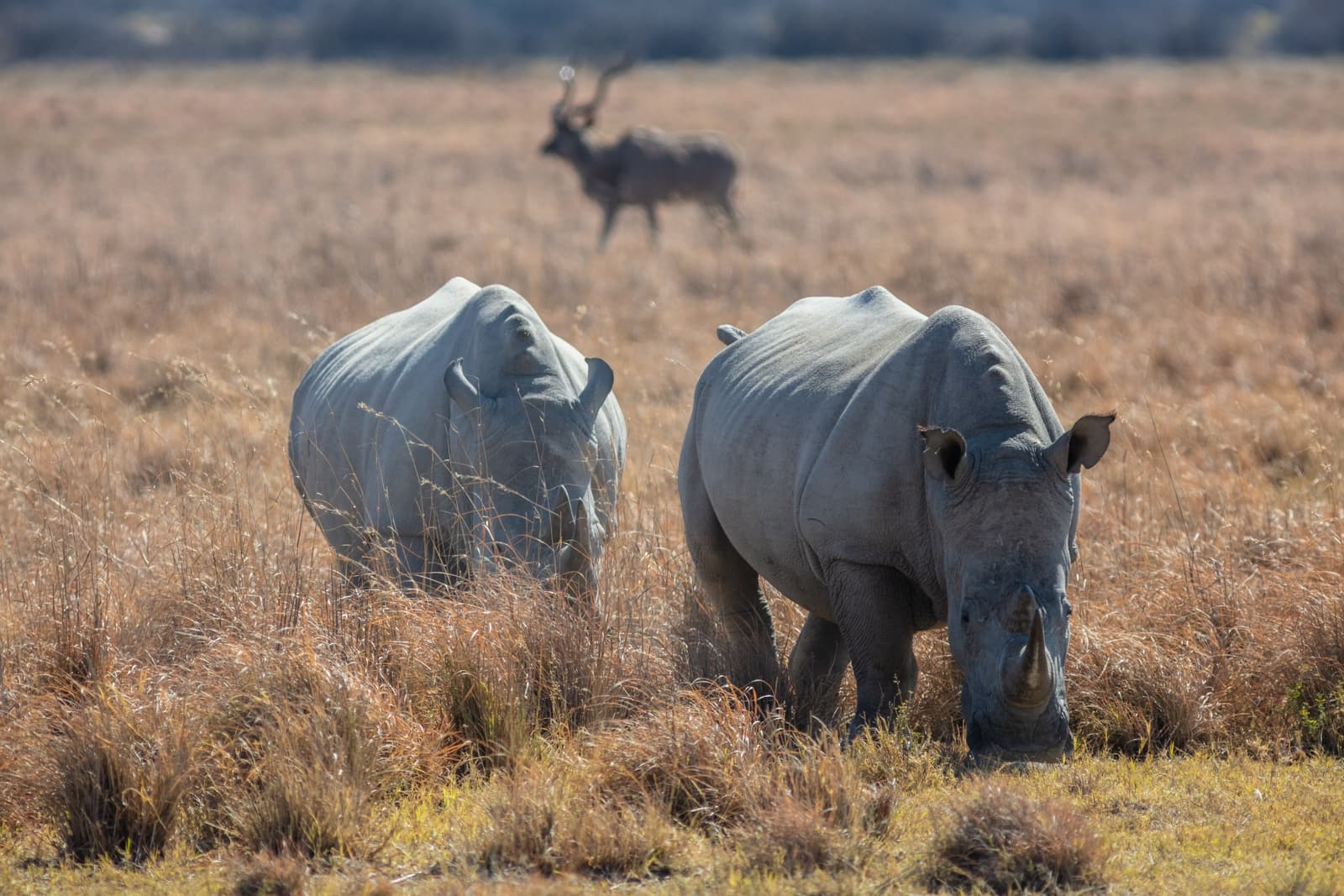
By the early 1990s poaching had almost wiped out Botswana’s rhinos. In 1992 the people of Serowe, Paje and Mabeleapudi set aside communal land around Serwe Pan as a guarded sanctuary where the survivors could breed. The Khama Rhino Sanctuary — roughly 8,500 hectares of Kalahari sandveld, protected with help from the neighbouring army base — has since become the country’s most reliable place to see rhinos and a source of animals for restocking other reserves.
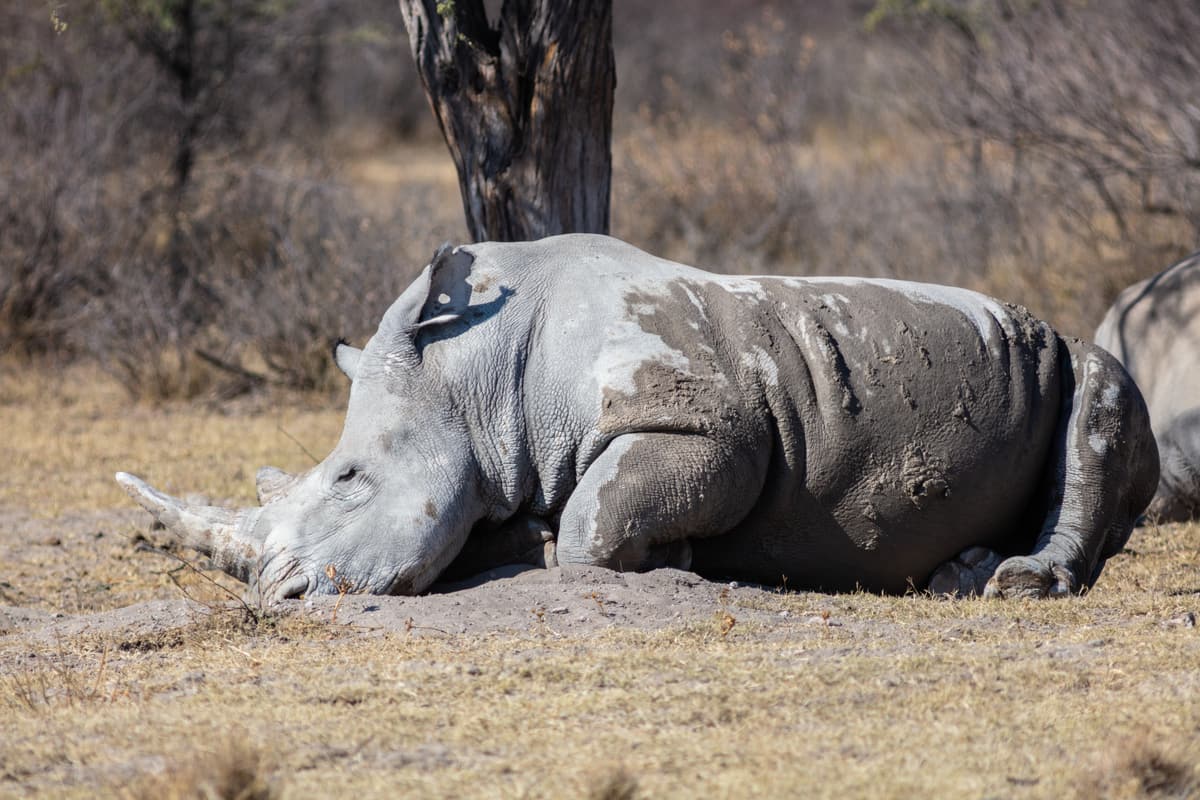
It lies about 25 km north-west of Serowe and roughly 300 km north of Gaborone, which makes it too far for a comfortable day trip but a perfect break on the long drive to Maun, Nata or Kasane. White rhinos are seen on almost every drive around the pan; the handful of black rhinos are much shyer.
Top things to do: Khama Rhino Sanctuary
Drive to Serwe Pan
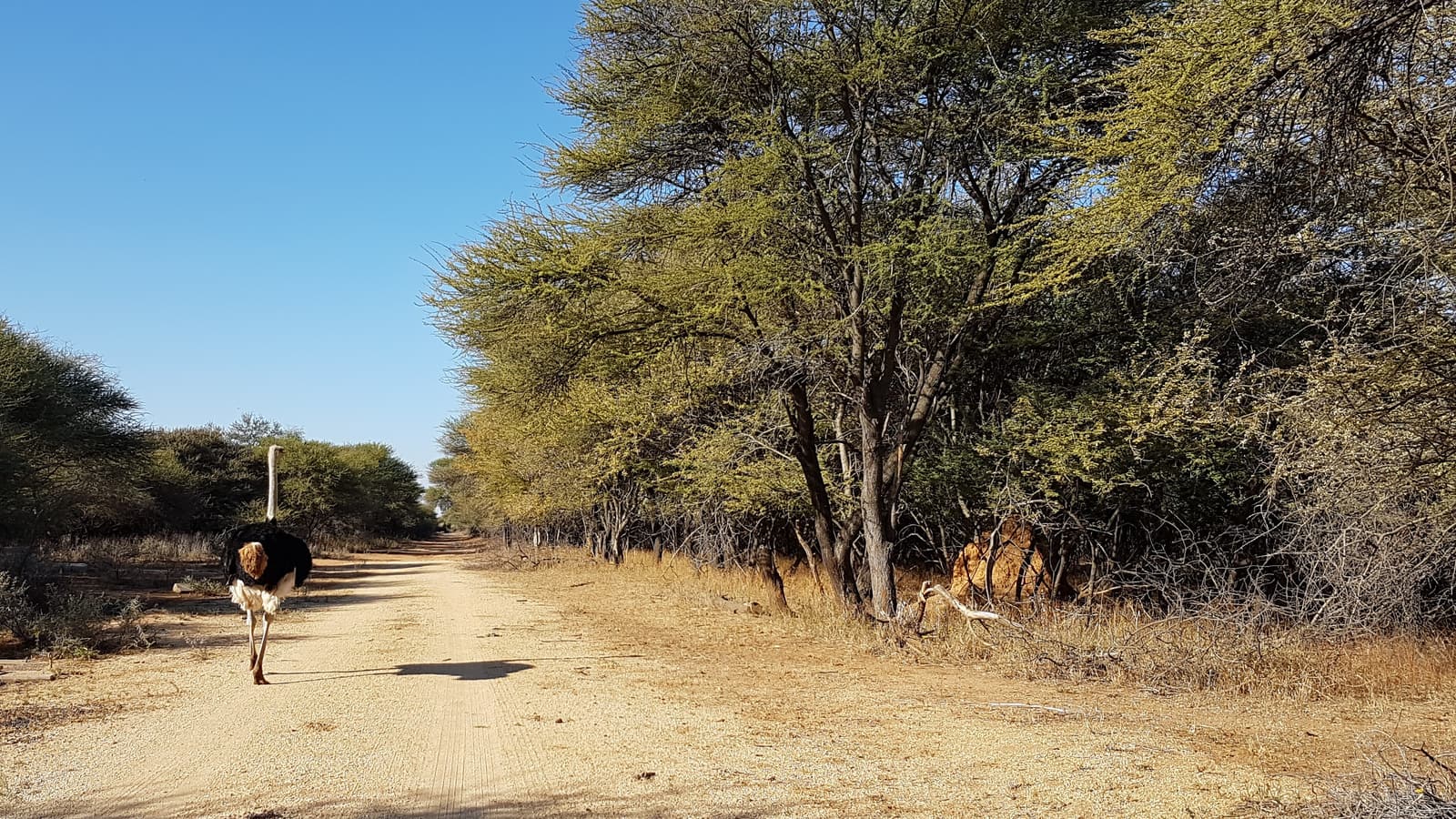
The grassy pan at the centre of the sanctuary draws rhino, zebra, blue wildebeest, springbok, eland, gemsbok, giraffe and ostrich. You can self-drive (a 4x4 is recommended for the sandy tracks) or join a guided game drive in an open vehicle.
Track rhino with a guide
Guided rhino tracking on foot and night drives are offered; a bird hide overlooks a waterhole near the pan, and more than 230 bird species have been recorded.
Stay overnight
Thatched chalets and large, shady campsites under mokongwa trees make this one of the most pleasant overnight stops in eastern Botswana. There is a restaurant and a pool; book ahead in the dry season and around holidays.
See Serowe
One of the largest traditional villages in Africa and the birthplace of Sir Seretse Khama. The Khama III Memorial Museum and the royal cemetery on Thathaganyana Hill, where the Khama family are buried, are worth an hour.
How to get to Khama Rhino Sanctuary
- By car from Gaborone: take the A1 north through Mahalapye to Palapye (about 270 km), turn west to Serowe (45 km), then follow the Orapa road for about 25 km to the gate. Allow around four hours without stops. All of it is tarred.
- By bus: buses run from Gaborone to Serowe; from there you need a taxi and, for game drives, the sanctuary’s own vehicles.
- Onward: the road continues via Letlhakane and Orapa towards Maun or the Makgadikgadi Pans — a useful, quieter alternative to the A1 and A3 through Francistown and Nata.
Insider tips
- Do not drive this route in the dark: cattle, donkeys and goats on the road are the main cause of serious accidents in Botswana.
- Fill up in Palapye or Serowe; there is no fuel at the sanctuary.
- Winter nights (June–August) are cold in the Kalahari — close to freezing. Pack accordingly if camping.
- Entrance, vehicle, camping and activity fees are charged separately; check current rates when booking.
Best tours: Khama Rhino Sanctuary
These top-rated experiences are the easiest way to see Khama Rhino Sanctuary:
 Full-day tour from €258
 Around Gaborone Adventure
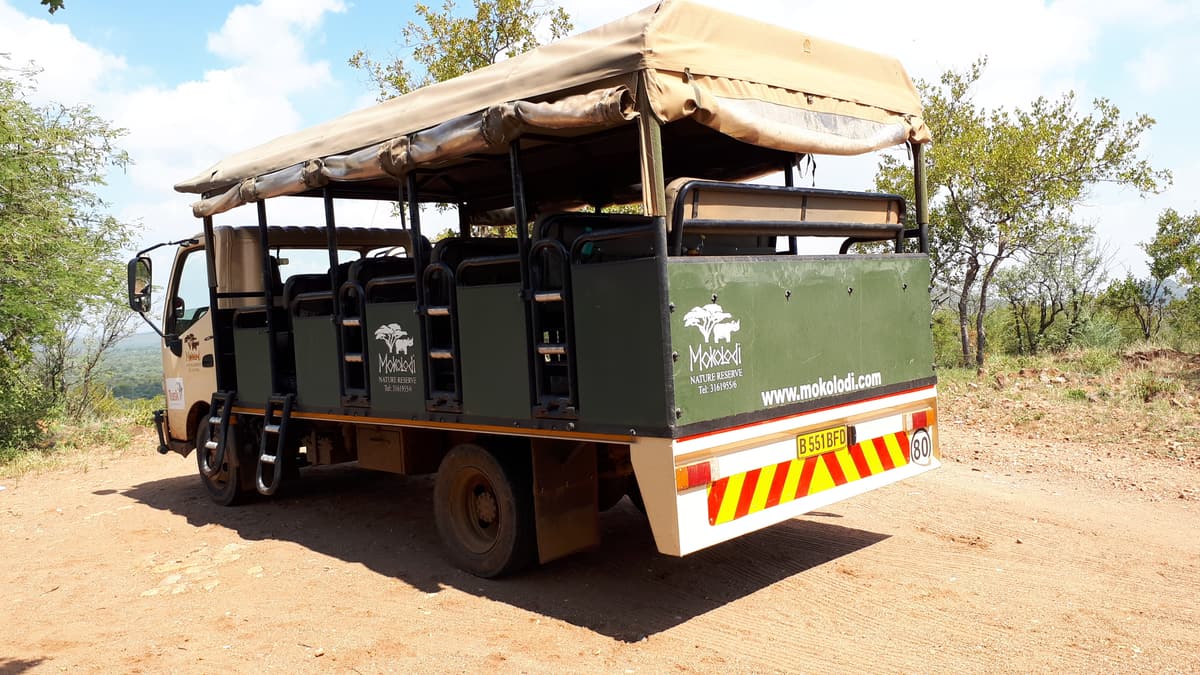
The full-day sampler: the Three Dikgosi Monument and the city in the morning, a game drive in Mokolodi Nature Reserve — the hilly private reserve south of town known for giraffe, zebra and white rhino — and a cruise to look for crocodiles. It is the most complete single day you can book in Gaborone.
- Game drive in Mokolodi Nature Reserve
- Three Dikgosi Monument and city highlights
- Boat cruise to look for crocodiles
 Boat cruise + game drive from €108
 From Kasane: Chobe National Park Full-Day Wildlife Safari
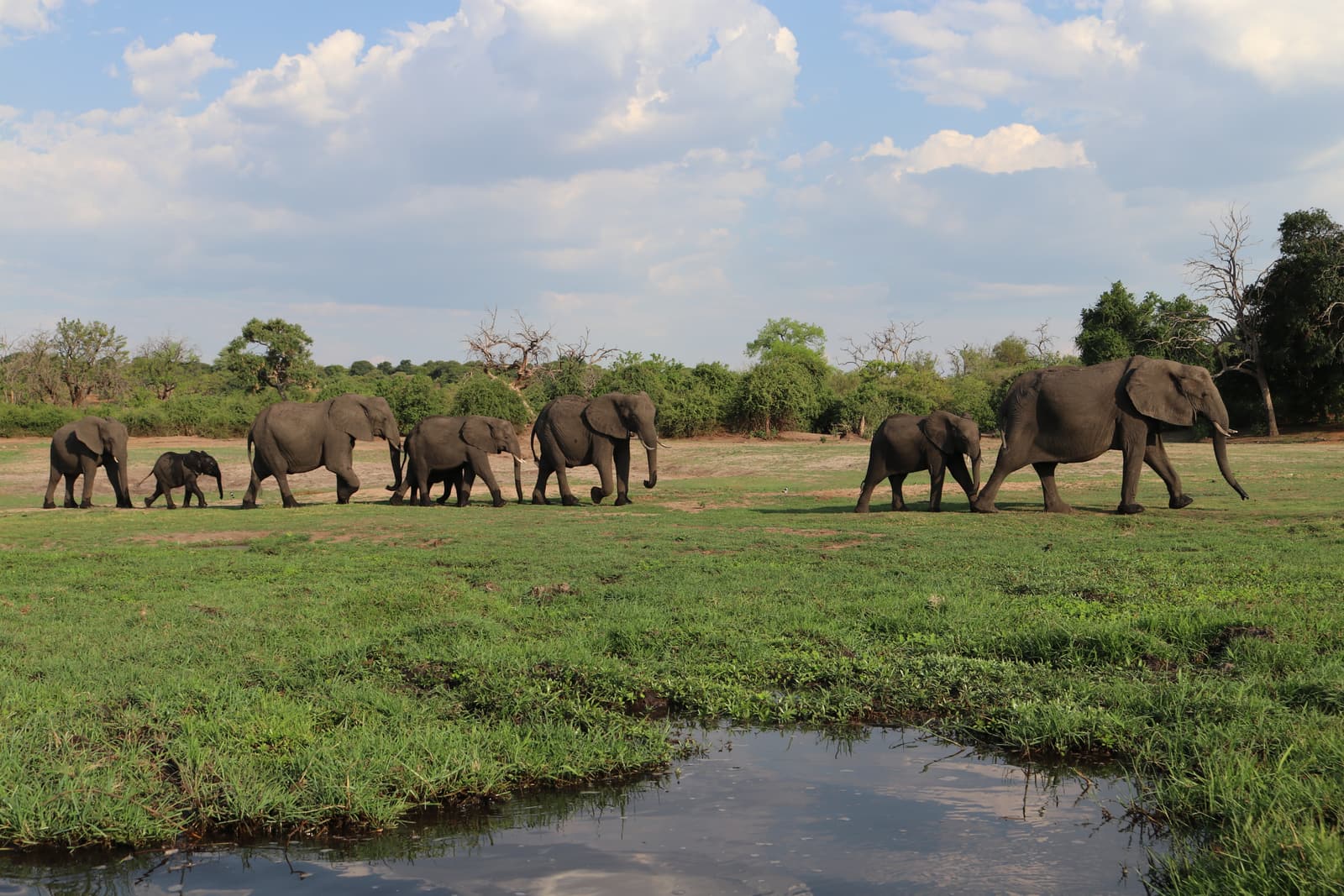
The Chobe riverfront by boat and by 4x4 in one day, at a very fair price and with more than a hundred reviews. Kasane has flights from Gaborone; from there this is the easiest way to see the elephant herds Botswana is known for.
- Morning boat cruise on the Chobe River
- Buffet lunch at a riverside lodge
- Afternoon open-vehicle game drive
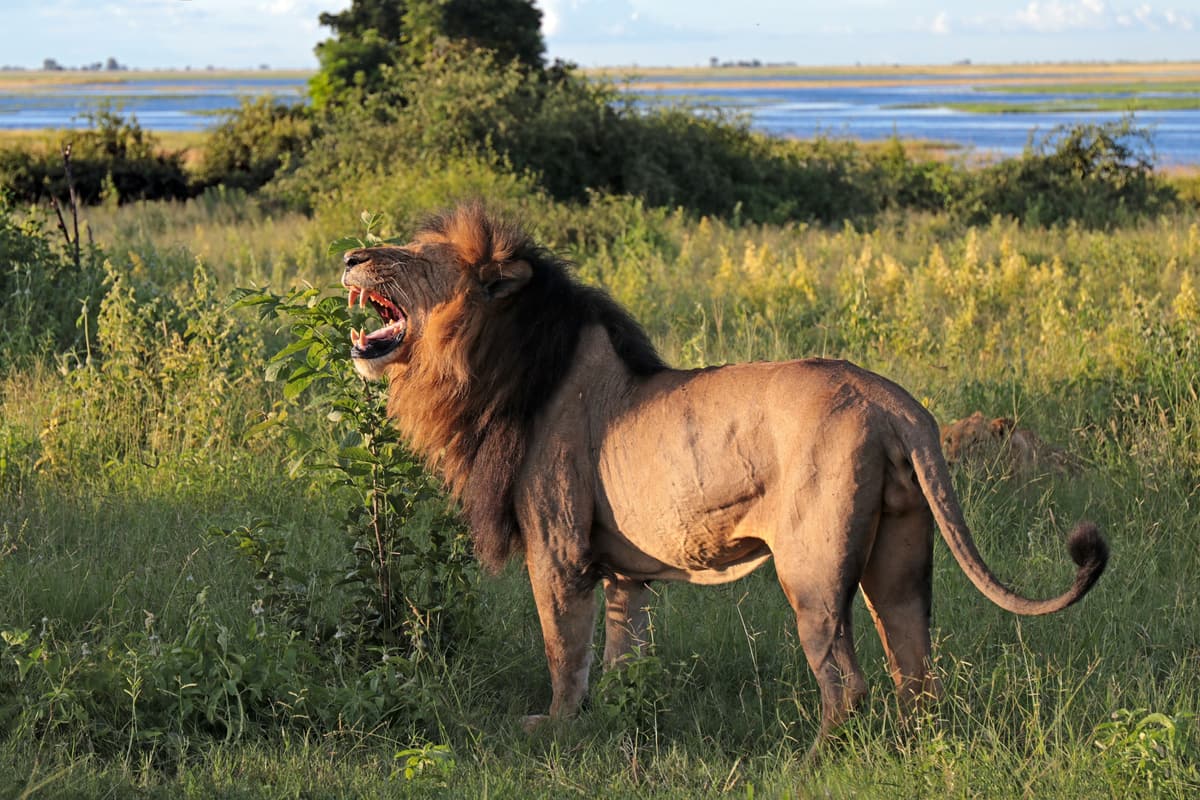 Game drive from €280
 Okavango: Moremi Game Reserve Guided Safari Adventure
The best-rated way to see Moremi Game Reserve without a camping safari: a long, early day from Maun on the tracks around the floodplains and mopane woodland, with lunch in the bush. This is the big-cat country that the reserves around Gaborone cannot offer.
- Full day of game driving in Moremi
- Open 4x4 with a local guide
- Chance of lion, leopard, elephant and wild dog