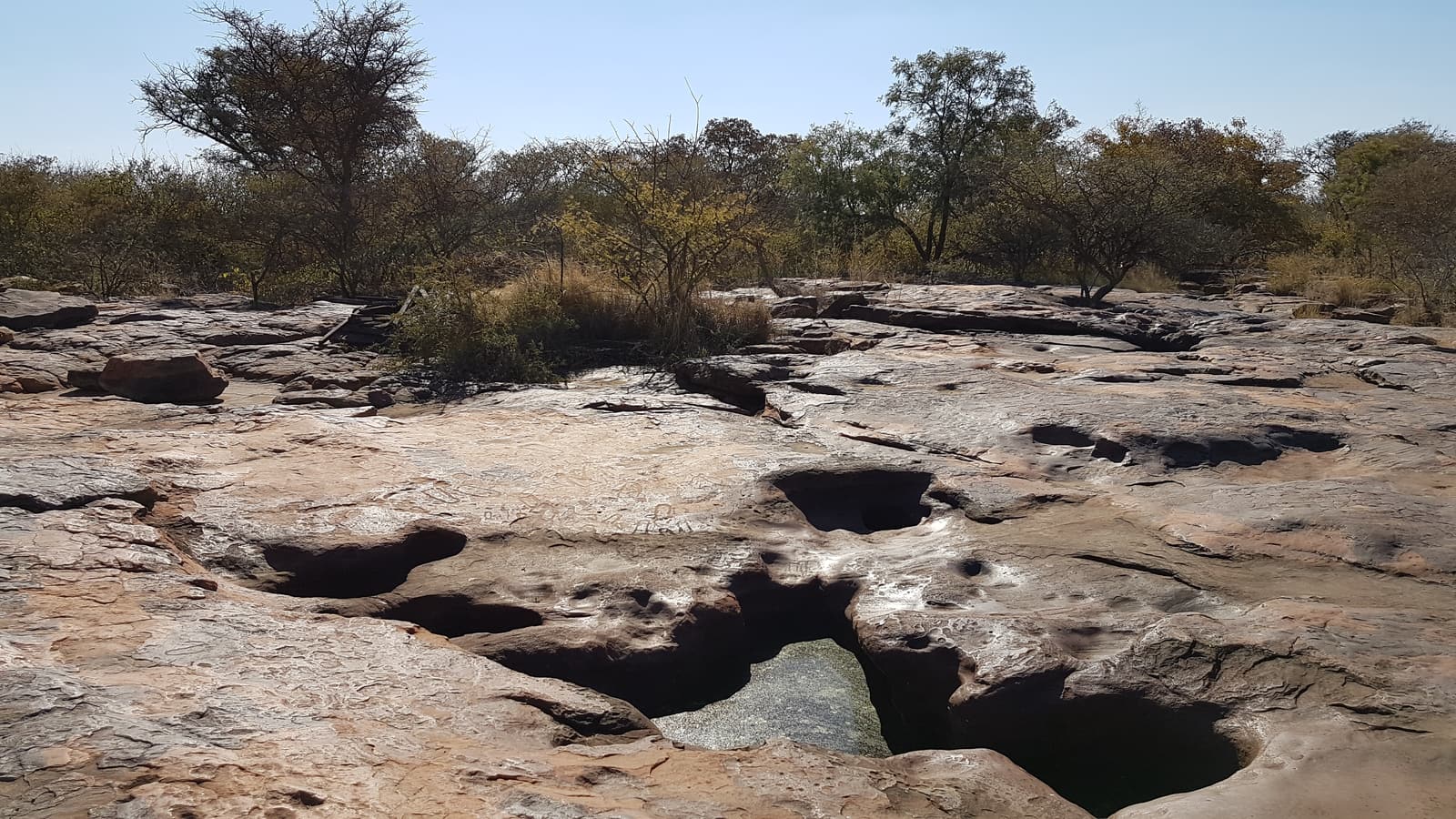
According to a Tswana creation story, the world’s first man was a one-legged giant called Matsieng. He climbed out of a hole in the ground when the rocks were still soft, followed by his people and by the wild and domestic animals, and their footprints set in the stone as it hardened. The place where this happened is shown to this day: a broad slab of sandstone near the village of Rasesa, about 40 km north of Gaborone.
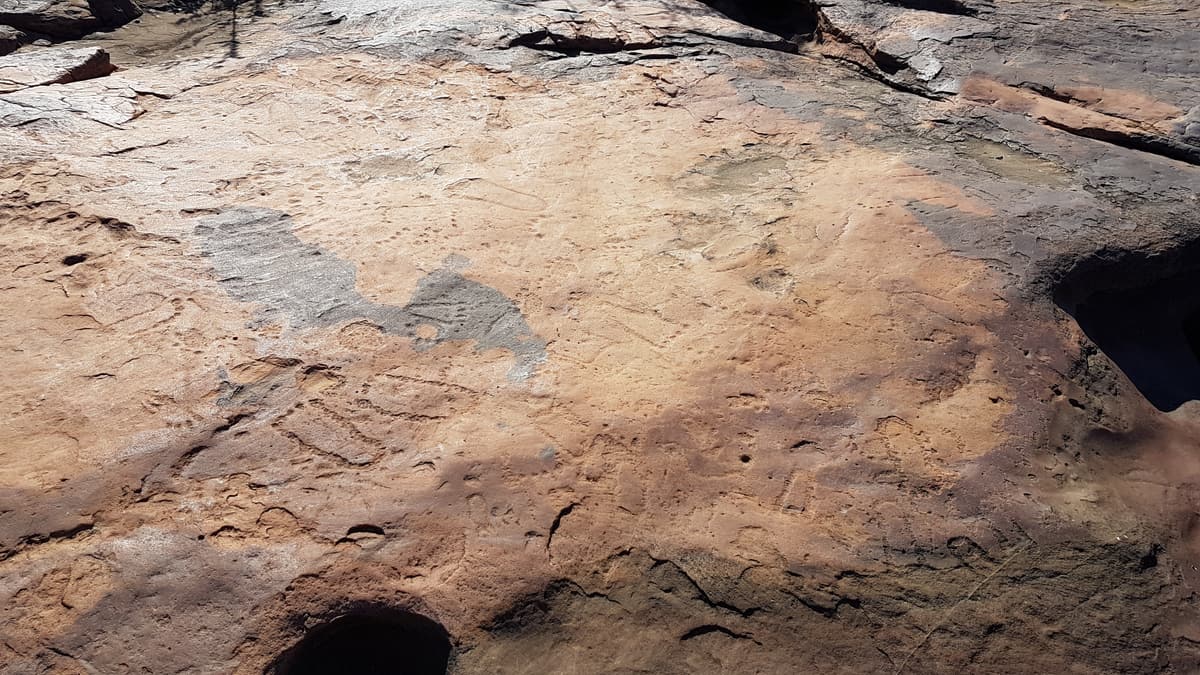
What you actually see is a flat rock outcrop with two deep natural holes, usually holding water, and around them a scatter of engravings — human footprints and animal tracks pecked into the surface. Archaeologists attribute them to Later Stone Age people and date them to many centuries, perhaps several thousand years, ago. It is a small site, but one of the few places in the south where myth, landscape and rock art meet so directly.
Top things to do: Matsieng Footprints
Find the footprints
The engravings are shallow and easy to miss in flat midday light. The custodian will point them out — there are dozens, of different sizes — and explain the story. Early morning or late afternoon, when the sun rakes across the rock, shows them best.
Look into the holes
The two water-filled holes are natural features dissolved or eroded out of the rock. One is said to be the opening Matsieng emerged from. Keep children back from the edges; they are deep.
Pair it with Mochudi
Matsieng is a 15-minute detour from the A1 on the way to Mochudi and the Phuthadikobo Museum. Together they make an easy half-day north of the city.
How to get to Matsieng Footprints
- By car: drive north on the A1 for about 35 km, past the Mochudi (Pilane) turn-off; the site is signposted to the east near Rasesa, a few kilometres along a gravel track that is fine for ordinary cars in dry weather.
- Without a car: there is no public transport to the site. Hire a taxi for the half-day or ask a tour operator to include it.
- Entry: Matsieng is a national monument. A custodian is usually present during the day and a small entrance fee may be charged.
Insider tips
- Do not walk on or touch the engravings, and never wet or chalk them to make them show up.
- There are basic facilities at most — bring water and a hat.
- Half an hour to an hour is enough on site.
- After heavy rain the access track can be muddy; ask locally.
Best tours: Matsieng Footprints
These top-rated experiences are the easiest way to see Matsieng Footprints:
 Day trip from €240
 Art & Craft Tour: Villages around Gaborone
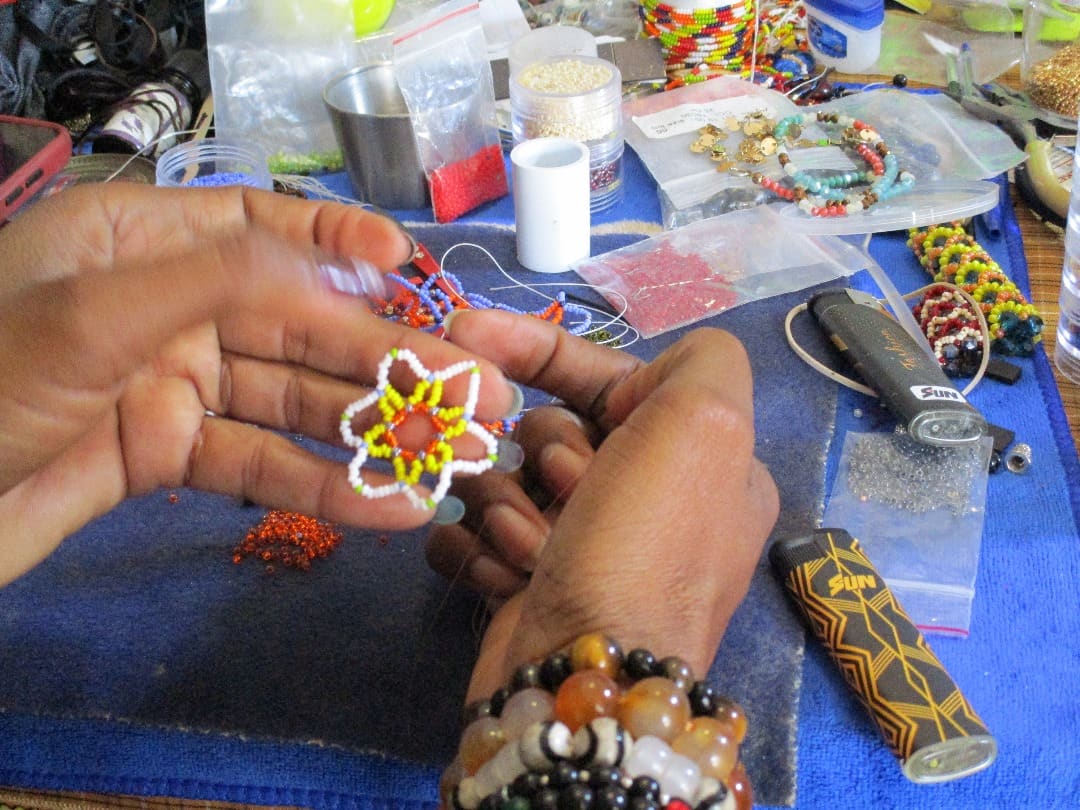
A day in the villages that ring Gaborone, where much of the country’s weaving and pottery is actually made. You visit four of them, watch the craftspeople at work, have the chance to buy direct and eat lunch at a local restaurant. It is the easy way to reach places such as Oodi without hiring a car.
- Four craft villages around the capital
- Meet weavers and potters and buy direct
- Lunch at a local restaurant
 Half-day trip from €151
 Manyana Village Visit from Gaborone + Rock Paintings
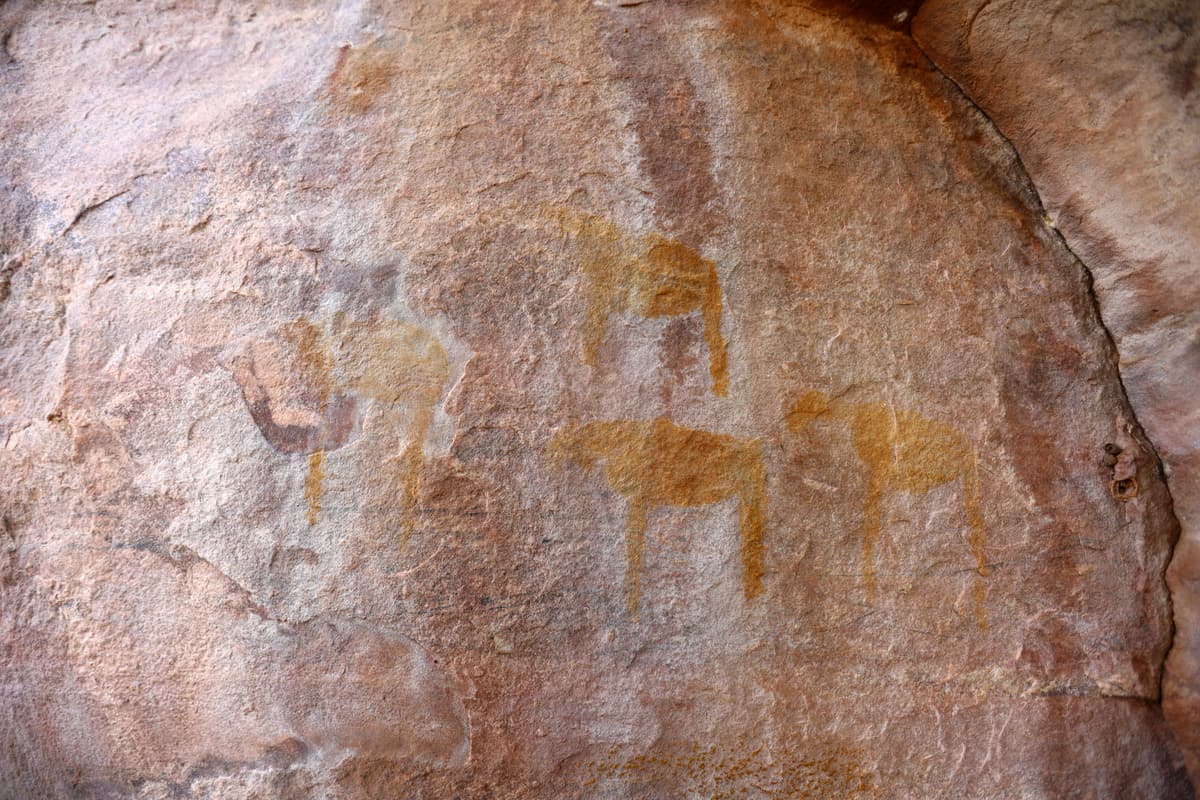
A half-day drive to the village of Manyana, home to the only well-known rock paintings in southern Botswana — giraffe, antelope and human figures on a sandstone overhang — and to the huge fig tree under which the missionary David Livingstone is said to have preached and taught in the 1840s. A neat introduction to the country beyond the capital.
- Rock paintings at Manyana, a national monument
- The fig tree where David Livingstone taught
- A look at village life south-west of the city